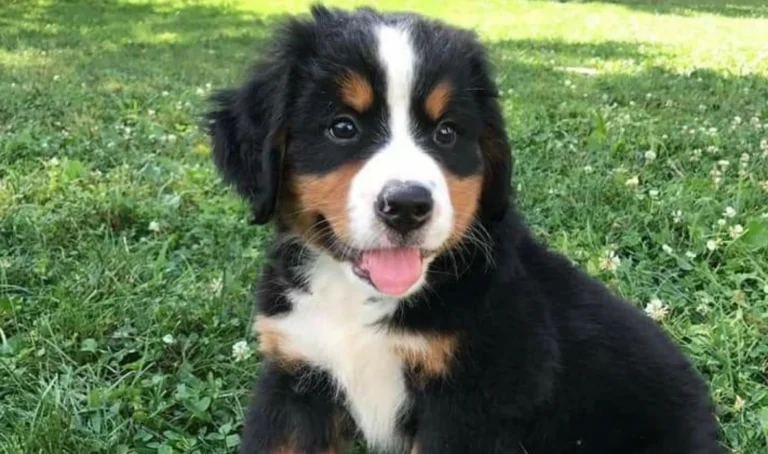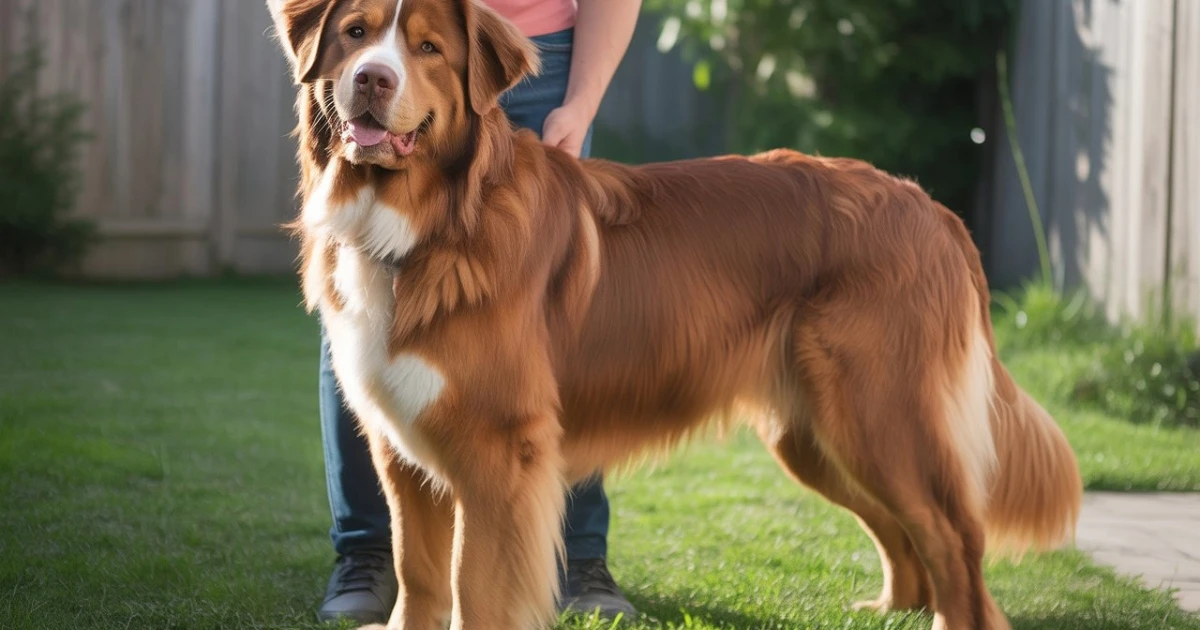
How Big Does a Golden Mountain Dog Get?
When considering bringing a Golden Mountain Dog into your home, one of the first questions potential owners often ask is, “How big will my Golden Mountain Dog get?” These dogs are a large breed with impressive stature, but their size can vary depending on factors such as genetics, diet, and overall health. Understanding their growth pattern and size expectations is important for planning your home, exercise routine, and even for ensuring they have enough space to thrive.
In this article, we will explore the typical size range of the Golden Mountain Dog, what affects their growth, and how to care for them as they grow from playful puppies into mature adults.
Golden Mountain Dog Size: What to Expect
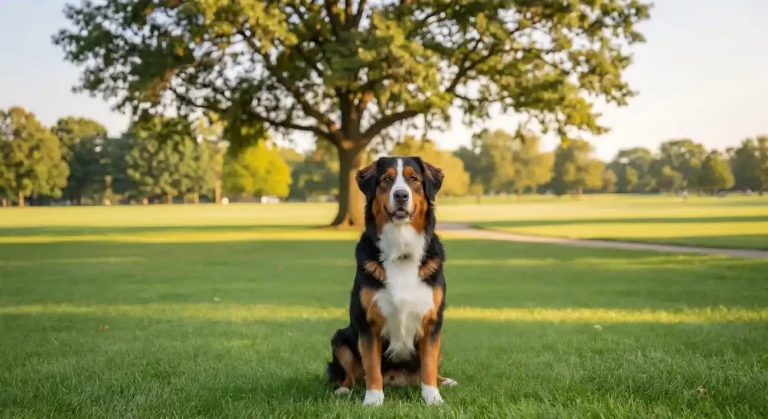
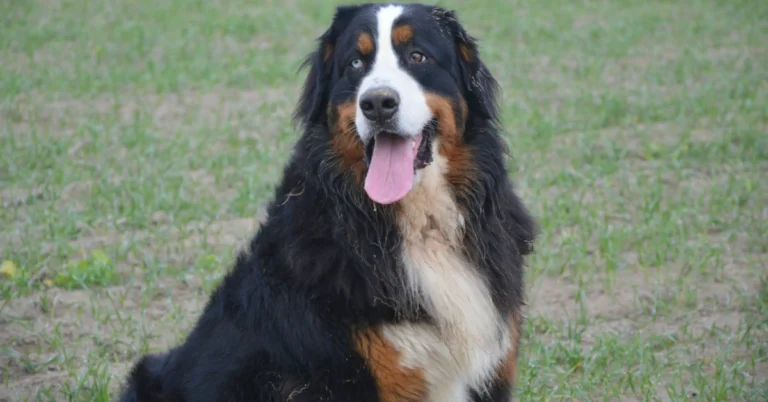
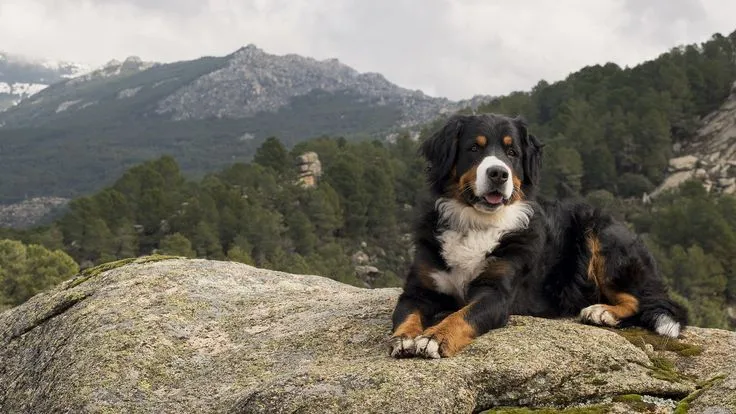
Golden Mountain Dogs are a large hybrid breed that takes after both of their parent breeds: the Golden Retriever and the Bernese Mountain Dog. Both parent breeds are known for their strength, size, and muscular build, and these traits are passed down to the Golden Mountain Dog.
Average Height of a Golden Mountain Dog
When fully grown, the Golden Mountain Dog typically stands at:
- Females: 22 to 24 inches (56 to 61 cm) at the shoulder
- Males: 24 to 26 inches (61 to 66 cm) at the shoulder
This puts them squarely in the large breed category, although they’re generally a bit smaller than some other large breeds like the Saint Bernard or Newfoundland. Despite their large size, Golden Mountain Dogs have an elegant and well-proportioned build, with strong bones and muscular frames.
Golden Mountain Dog Weight Range
As with height, the weight of a Golden Mountain Dog varies between males and females:
- Females: 70 to 90 pounds (32 to 41 kg)
- Males: 90 to 120 pounds (41 to 54 kg)
Golden Mountain Dogs tend to be heavier than Golden Retrievers but lighter than Bernese Mountain Dogs, making them a good size for many families who want a large dog without going into the extra-large category. Their weight is closely tied to their height and build, and maintaining a healthy weight is important for their overall health.
Growth and Development Stages
Golden Mountain Dogs grow quickly, especially during their puppy stage, and they usually reach their adult height by the time they are around 12 to 18 months old. However, they may continue to fill out and gain muscle mass until they are about 2 years old. Here’s what you can expect during their growth:
Puppy Stage (0 to 6 Months)
During the first six months, Golden Mountain Dogs grow rapidly, both in height and weight. At around 3 months, your puppy may already weigh between 20 and 30 pounds (9-14 kg), and by the time they are six months old, they could weigh 40-60 pounds (18-27 kg). This growth is primarily in height, and they are still very much in their playful and curious puppy phase.
Adolescent Stage (6 to 12 Months)
Between 6 and 12 months, Golden Mountain Dogs will experience growth spurts and start to fill out. Their height will approach its adult range, but they will still have some “puppy fat” that they’ll shed as they become leaner. Expect them to weigh around 50 to 75 pounds (23-34 kg) during this stage.
Adult Stage (1 to 2 Years)
By the time your Golden Mountain Dog reaches 1 to 2 years, they will have reached their full height, though they may still gain some muscle mass until they are fully mature. Most Golden Mountain Dogs will weigh between 70 and 120 pounds (32-54 kg) at this point.
What Factors Affect Their Size?
While there are typical size ranges for Golden Mountain Dogs, each dog is an individual, and their growth can be influenced by several factors:
1. Genetics
The most significant factor that determines the size of a Golden Mountain Dog is genetics. The size of their parents (Golden Retriever and Bernese Mountain Dog) will give a good indication of how large they will get. If both parents are on the larger side of the breed standard, their puppies are likely to be larger as well. On the other hand, if the parents are smaller, the puppies will tend to be smaller too.
2. Nutrition
A proper diet during their growth period is essential for ensuring they grow to their full potential. A balanced diet with the right amount of protein, fats, and vitamins will support their bone and muscle development. Overfeeding or underfeeding can lead to health problems, including obesity, growth issues, or joint problems.
Make sure you’re feeding your Golden Mountain Dog a high-quality food that is appropriate for large breeds. Look for food that has the correct nutritional balance to promote healthy bone development and muscle growth.
3. Exercise
Exercise plays a role in a dog’s physical development, but it’s important to provide appropriate exercise for their age. While Golden Mountain Dogs need regular physical activity to maintain their health, too much high-impact exercise (like running long distances) too early in their development can be detrimental to their joints. Always consult your veterinarian for advice on how much exercise is safe during their growth stages.
4. Health and Well-Being
Health conditions and developmental issues can impact a Golden Mountain Dog’s growth and size. For example, some Golden Mountain Dogs may develop hip or elbow dysplasia, which can affect their overall weight and posture. Proper vet care, a balanced diet, and regular exercise help ensure your dog grows at a healthy rate.
How to Care for a Large Golden Mountain Dog
As large dogs, Golden Mountain Dogs require a bit more attention when it comes to health, diet, and physical care. Here are some tips to ensure they grow up healthy and happy:
1. Proper Diet
Because Golden Mountain Dogs are large and active, they need high-quality food that supports their growth and muscle development. Choose food that’s specifically formulated for large breed puppies to avoid joint issues later in life. Be mindful of portion sizes, as overfeeding can lead to obesity, which can be hard on their joints.
2. Joint Health and Exercise
Golden Mountain Dogs are prone to joint issues, such as hip dysplasia, so it’s important to provide them with joint-supporting supplements and ensure they don’t over-exert themselves while growing. Avoid heavy running or jumping during the first 18 months to allow their bones to develop properly. Gradually increase their activity as they mature, but make sure they don’t overdo it.
3. Regular Vet Check-ups
Since Golden Mountain Dogs are large dogs, they are more susceptible to certain health conditions, including joint problems, heart conditions, and bloat. Regular vet visits will help ensure that your dog is growing properly and can help detect any health issues early on.
4. Space Considerations
Because of their large size, Golden Mountain Dogs need plenty of space to move around. A big backyard or access to a park is ideal for this breed. However, even if you live in an apartment or smaller space, as long as you’re committed to providing plenty of exercise and mental stimulation, they can still thrive.
Conclusion
Golden Mountain Dogs are a large, loving breed that combines the best traits of the Golden Retriever and Bernese Mountain Dog. They are incredibly affectionate, loyal, and make excellent family pets. As you can see, they grow into impressive dogs, with males reaching heights of 24 to 26 inches and weights of 90 to 120 pounds and females standing at 22 to 24 inches and weighing 70 to 90 pounds.
Understanding their growth stages and size expectations is important to ensure you’re providing the right care. Whether you’re preparing for a puppy or have already welcomed a Golden Mountain Dog into your home, these dogs will grow to be loving and loyal companions, and with proper care, they will remain healthy and happy throughout their lives.
Frequently Asked Questions
1. How big will my Golden Mountain Dog get?
Golden Mountain Dogs typically grow to be 22-26 inches tall and weigh between 70-120 pounds when fully grown. Males are usually larger than females.
2. When do Golden Mountain Dogs stop growing?
Golden Mountain Dogs usually reach their full height by 12-18 months, but they may continue to fill out and gain muscle mass until they are around 2 years old.
3. Are Golden Mountain Dogs considered a large breed?
Yes, Golden Mountain Dogs are considered a large breed due to their size and weight, making them suitable for families who have the space and commitment to care for a large dog.
4. How can I ensure my Golden Mountain Dog grows healthy?
A balanced diet, proper exercise, and regular vet visits are crucial to ensuring healthy growth. Be mindful of overexercising your puppy and provide joint-supporting nutrients to help with bone development.
5. Do Golden Mountain Dogs need a lot of space?
Yes, Golden Mountain Dogs are large dogs that require plenty of space to move around. They do best in homes with large yards or access to outdoor space. However, as long as they get plenty of exercise, they can adapt to apartment living.