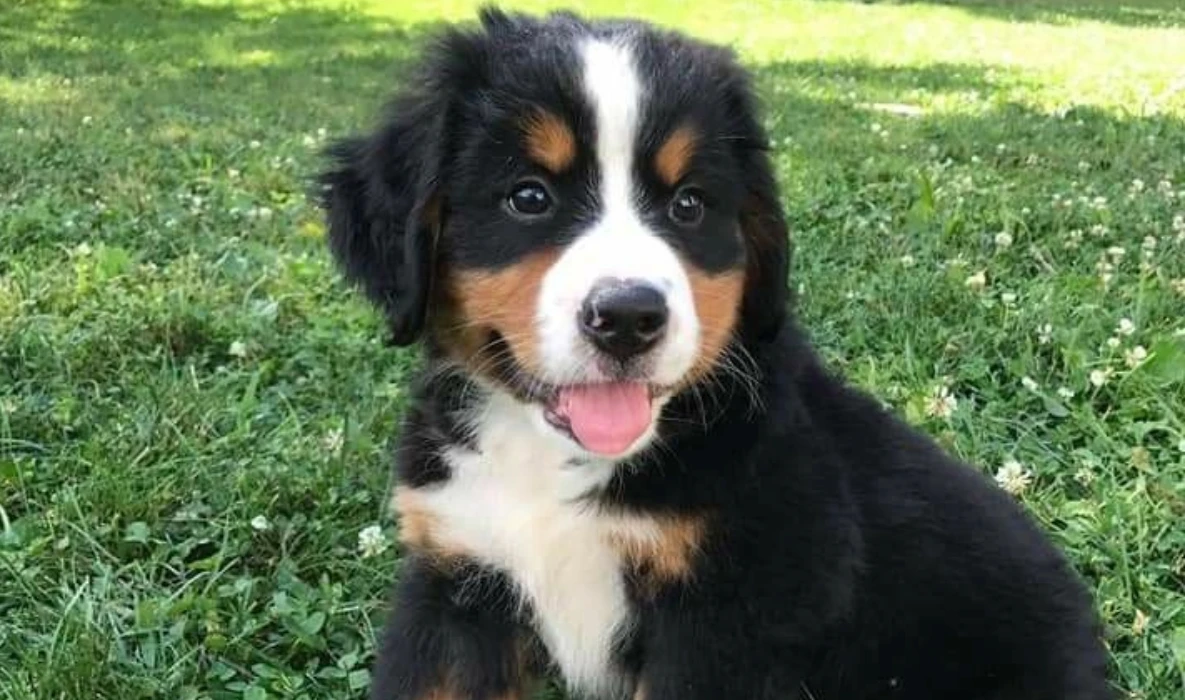
Puppy Care: Raising a Golden Mountain Dog Puppy Right
Bringing a Golden Mountain Dog puppy into your home is an exciting and rewarding experience. These affectionate, intelligent, and loyal dogs make excellent family pets, and as a hybrid breed between the Golden Retriever and the Bernese Mountain Dog, they inherit the best traits of both parent breeds. However, like all puppies, Golden Mountain Dogs need special care, attention, and training during their early months to grow into well-behaved and healthy adult dogs.
In this article, we’ll provide a comprehensive guide on how to raise a Golden Mountain Dog puppy, from the early days of puppyhood to adolescence. From feeding and socialization to potty training and exercise, we’ll cover everything you need to know to ensure your Golden Mountain Dog grows up happy, healthy, and well-adjusted.
The Early Stages of a Golden Mountain Dog Puppy
The first few months of your Golden Mountain Dog’s life are crucial for their development. During this period, puppies learn about their environment, social boundaries, and basic behaviors that will last a lifetime. Here’s a closer look at what you can expect during the early stages of their growth:
0 to 8 Weeks: Early Development and Socialization
During the first 8 weeks, your puppy is in the most critical stage of social development. If possible, it’s ideal to get your Golden Mountain Dog puppy from a breeder who begins early socialization. This is when puppies learn important behaviors and how to interact with humans, other dogs, and their environment.
Here’s what should happen during this stage:
- Socialization: At 3 to 8 weeks, puppies begin to explore their world and learn basic social behaviors. The more exposure they have to different people, animals, and environments, the more well-rounded they will be. If you’re getting your puppy during this stage, make sure they’ve been exposed to various sights, sounds, and experiences in a safe and positive way.
- Basic Training: Puppies can start learning basic commands like sit, stay, and come around 7 to 8 weeks. Introduce these commands gently and with lots of positive reinforcement.
8 to 12 Weeks: Settling In and Establishing Routines
At 8 weeks, puppies are typically ready to leave their mother and littermates and join their new family. This is when the bonding process begins. Your puppy will look to you for security, structure, and guidance.
Things to focus on during this stage:
- Create a Safe Space: Set up a crate or a puppy pen to provide a safe and comfortable space for your puppy to sleep and relax. This helps establish a routine and gives them a place to rest.
- Feeding Schedule: Feed your puppy three to four meals a day to support their growth. Use high-quality puppy food that is specifically formulated for large breeds to ensure they get the proper nutrition.
- Potty Training: Start potty training as soon as your puppy arrives. Establish a consistent routine by taking your puppy outside every 2 to 3 hours, especially after meals, naps, and play sessions.
12 to 16 Weeks: Early Training and Socialization
By the time your puppy is 12 weeks old, they should have learned the basics of potty training and started responding to basic commands. During this stage, it’s important to continue socializing your Golden Mountain Dog and expose them to new experiences.
- Socialization: Continue exposing your puppy to various environments, people, and other dogs. Puppy classes are an excellent way to ensure they receive the necessary social exposure in a controlled environment. Early socialization helps prevent behavioral problems later on.
- Training: Begin more focused training sessions at this age. Work on basic commands like sit, stay, come, and leave it. Keep training sessions short (about 5 to 10 minutes) and fun to avoid overwhelming your puppy. Use positive reinforcement (treats, praise) to encourage desired behaviors.
Training Your Golden Mountain Dog Puppy
Golden Mountain Dogs are highly intelligent and eager to please, making them relatively easy to train. However, like all puppies, they need consistency, patience, and positive reinforcement. Below are some important training tips for raising a well-behaved Golden Mountain Dog puppy.
1. Crate Training
Crate training is a great way to give your puppy their own space and to help with potty training. The crate should never be used as a form of punishment. Instead, it should be a positive, safe space where your puppy can relax.
- Introduce the crate gradually: Leave the door open initially and allow your puppy to explore the crate at their own pace. Place treats and toys inside to encourage them to enter.
- Use the crate for short periods: Never leave your puppy in the crate for too long. Start with short periods of time and gradually increase the duration as your puppy gets used to it.
2. Potty Training
Potty training is one of the first things you’ll want to focus on with your Golden Mountain Dog puppy. Puppies are typically ready to start learning the ropes of potty training around 8 weeks old.
- Take your puppy outside often: At first, you’ll need to take your puppy outside every 2 to 3 hours to prevent accidents in the house. Take them outside after meals, naps, and playtime, as these are the times when puppies are most likely to need to go.
- Praise and reward: Whenever your puppy goes potty outside, reward them with praise and a treat. Positive reinforcement will help them associate going potty outside with something good.
3. Basic Commands
Start teaching basic commands such as sit, stay, down, and come as early as possible. Golden Mountain Dogs are eager to learn, so keep training sessions fun and short.
- Use positive reinforcement: Reward your puppy with treats and praise when they follow your commands. Keep training sessions under 10 minutes to avoid overwhelming them.
- Consistency is key: Be consistent with your commands and actions. Use the same word for each command and reward your puppy every time they respond correctly.
4. Socialization
Socialization is a crucial part of raising a well-adjusted Golden Mountain Dog. Expose your puppy to new experiences, people, and other dogs in a positive, controlled environment.
- Introduce new people and animals: Invite friends over to meet your puppy, and take your puppy to places where they can interact with other dogs. Ensure that the experiences are positive, as negative interactions can lead to fear or anxiety.
- Attend puppy classes: Puppy classes are an excellent way to socialize your dog and teach them basic commands in a group setting.
Exercise and Mental Stimulation
Golden Mountain Dogs are active and intelligent dogs that require both physical and mental stimulation. While they are still puppies, it’s important to start incorporating regular exercise into their daily routine. However, since their joints are still developing, avoid high-impact exercise like running or jumping until they’re older.
Appropriate Puppy Exercise
- Short walks and play sessions: Start with short, gentle walks and supervised play sessions. Puppies have a lot of energy, so allow them to burn off some of that energy in a safe, controlled manner.
- Interactive toys: Provide toys that stimulate their minds, such as puzzle toys, treat-dispensing toys, and chew toys. These toys help improve their problem-solving skills and keep them entertained.
Feeding Your Golden Mountain Dog Puppy
Your Golden Mountain Dog puppy will need a special diet to support their growth and development. Since they are a large breed, it’s important to choose a puppy food that is specifically formulated for large breed dogs.
- High-quality large breed puppy food: Look for food that contains high-quality protein (such as chicken or lamb), calcium for bone health, and omega fatty acids for skin and coat health.
- Follow feeding guidelines: Golden Mountain Dog puppies grow quickly, so make sure to follow the feeding instructions on the puppy food package and adjust based on your puppy’s weight and appetite.
Health Care and Vet Visits
Regular vet visits are essential for ensuring that your Golden Mountain Dog puppy is growing properly and receiving the necessary vaccinations and preventive care. Schedule a check-up with your vet as soon as you bring your puppy home to establish a health routine.
- Vaccinations: Make sure your puppy receives all the necessary vaccinations to protect them from diseases like distemper, parvovirus, and rabies.
- Deworming: Puppies are often treated for intestinal parasites in the first few months of life, so make sure your puppy is on a deworming schedule.
- Spaying/Neutering: Your vet will also discuss the appropriate time to spay or neuter your Golden Mountain Dog, typically around 6 to 12 months of age.
Conclusion
Raising a Golden Mountain Dog puppy is a rewarding experience that requires patience, consistency, and love. By providing the right care, training, and exercise, you’ll raise a happy and healthy dog that will grow into a well-behaved and loving adult. Whether it’s potty training, socialization, or exercise, each step in your puppy’s development is an important part of their journey to becoming a wonderful companion.
With proper care and attention, your Golden Mountain Dog will thrive in your home, bringing joy, loyalty, and affection into your life for many years to come.
Frequently Asked Questions
1. How early should I start training my Golden Mountain Dog puppy?
It’s best to start training as soon as your puppy arrives. At around 8 weeks, you can begin teaching basic commands and potty training.
2. How much exercise does a Golden Mountain Dog puppy need?
Golden Mountain Dog puppies have a lot of energy, but their exercise should be limited to avoid straining their developing joints. Start with short walks and play sessions, and gradually increase the duration and intensity as they grow.
3. What should I feed my Golden Mountain Dog puppy?
Feed your Golden Mountain Dog puppy high-quality large breed puppy food. Look for food that contains high-quality protein and is designed for large breed puppies to support their growth and joint health.
4. When should I spay or neuter my Golden Mountain Dog?
Most vets recommend spaying or neutering your Golden Mountain Dog between 6 to 12 months of age. Discuss the best timing with your vet based on your puppy’s development.
5. How do I socialize my Golden Mountain Dog puppy?
Expose your puppy to different people, animals, and environments in a controlled and positive manner. Puppy classes and playdates are great ways to ensure proper socialization.