Activities for Golden Mountain Dogs
Golden Mountain Dogs aren’t just looking for physical outlets; they want engagement.
Their working dog ancestry, drawn from both the Bernese Mountain Dog and the Golden Retriever, means they’re happiest when they have a role to play, a problem to solve, or a person to work alongside.
Left without enough to do, they don’t become chaotic; they become quietly restless. The right activities address that before it becomes a pattern.
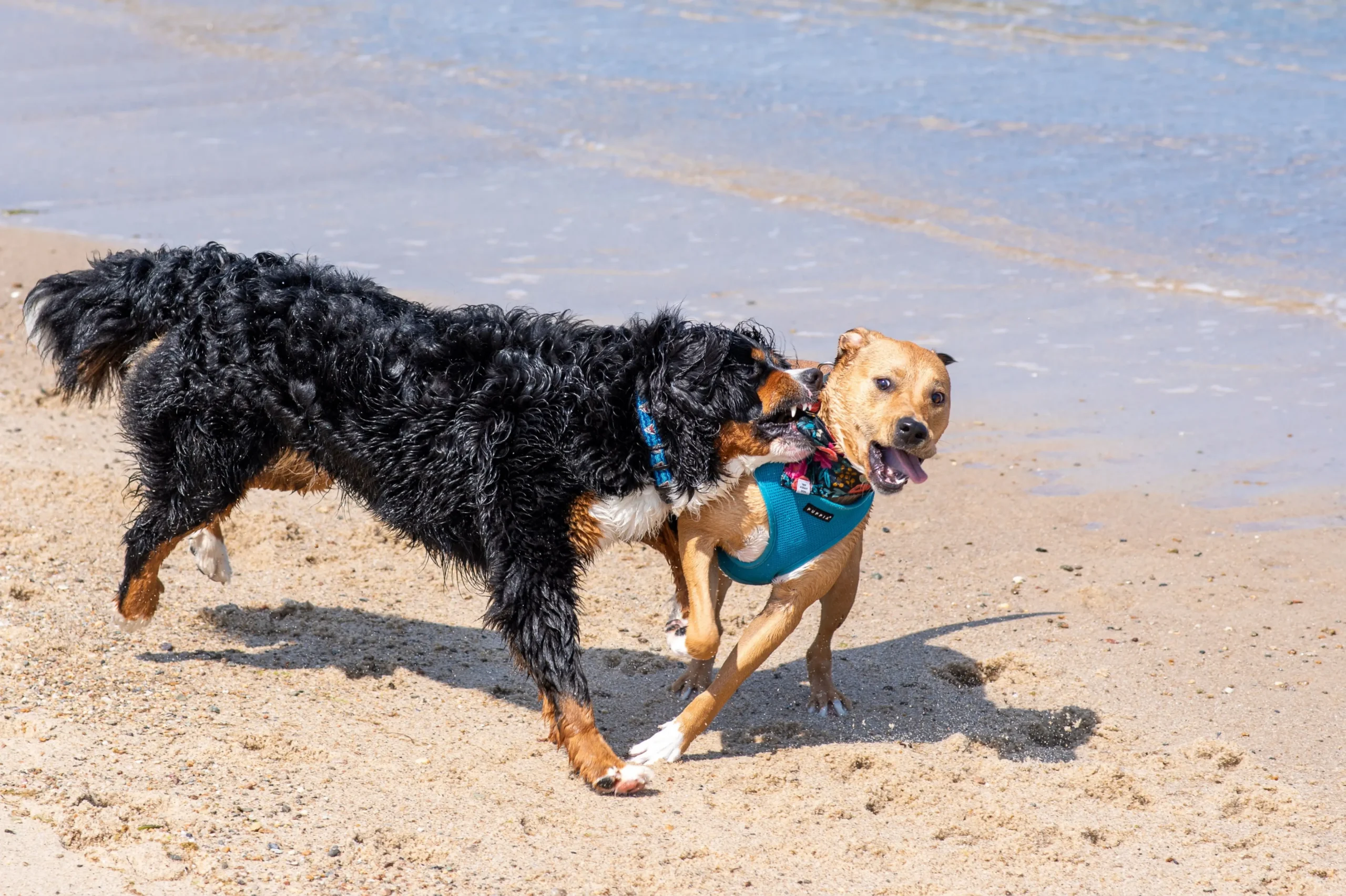
Carting and Drafting
This is the activity most native to the breed’s Bernese heritage.
Golden Mountain Dogs were bred to pull carts loaded with farm goods through alpine villages, and many still take to it naturally, inheriting both the physical build and the working temperament that made their ancestors so valued.
Carting involves training a dog to pull a weighted cart or wagon on command through a set course. It’s physically satisfying and mentally absorbing all at once, demanding focus, directional awareness, and sustained attention from the dog throughout.
Dogs that excel at carting tend to carry a quiet confidence that’s hard to achieve through other means. They’ve been given a real job and done it well, and they know it.
Drafting titles are available through breed clubs for those who want to pursue it competitively. But even informal practice in a backyard is worthwhile. The point isn’t the title; it’s giving the dog a purpose it can feel.
Tracking and Scent Work
Golden Mountain Dogs have a capable nose and a methodical temperament that suits scent-based activities very well.
Nose work, finding a specific target odor hidden in boxes, vehicles, rooms, or outdoor spaces, is low-impact but mentally exhausting in the best possible way.
A 20-minute session can tire a Golden Mountain Dog more thoroughly than a long walk. Sustained concentration depletes energy just as physical effort does, sometimes more so.
The dog works largely independently, following its nose and making its own decisions. That independence builds real confidence, particularly in quieter or less assertive dogs.
What makes nose work especially valuable is how accessible it is. No special terrain. No expensive equipment. No large outdoor space required. It can be practiced in a living room, a garage, or a parking lot, which makes it one of the few activities that works just as well on a rainy Tuesday as it does on a perfect weekend morning.
For older dogs managing joint issues, it’s often the best option available, genuine mental satisfaction with no physical strain.
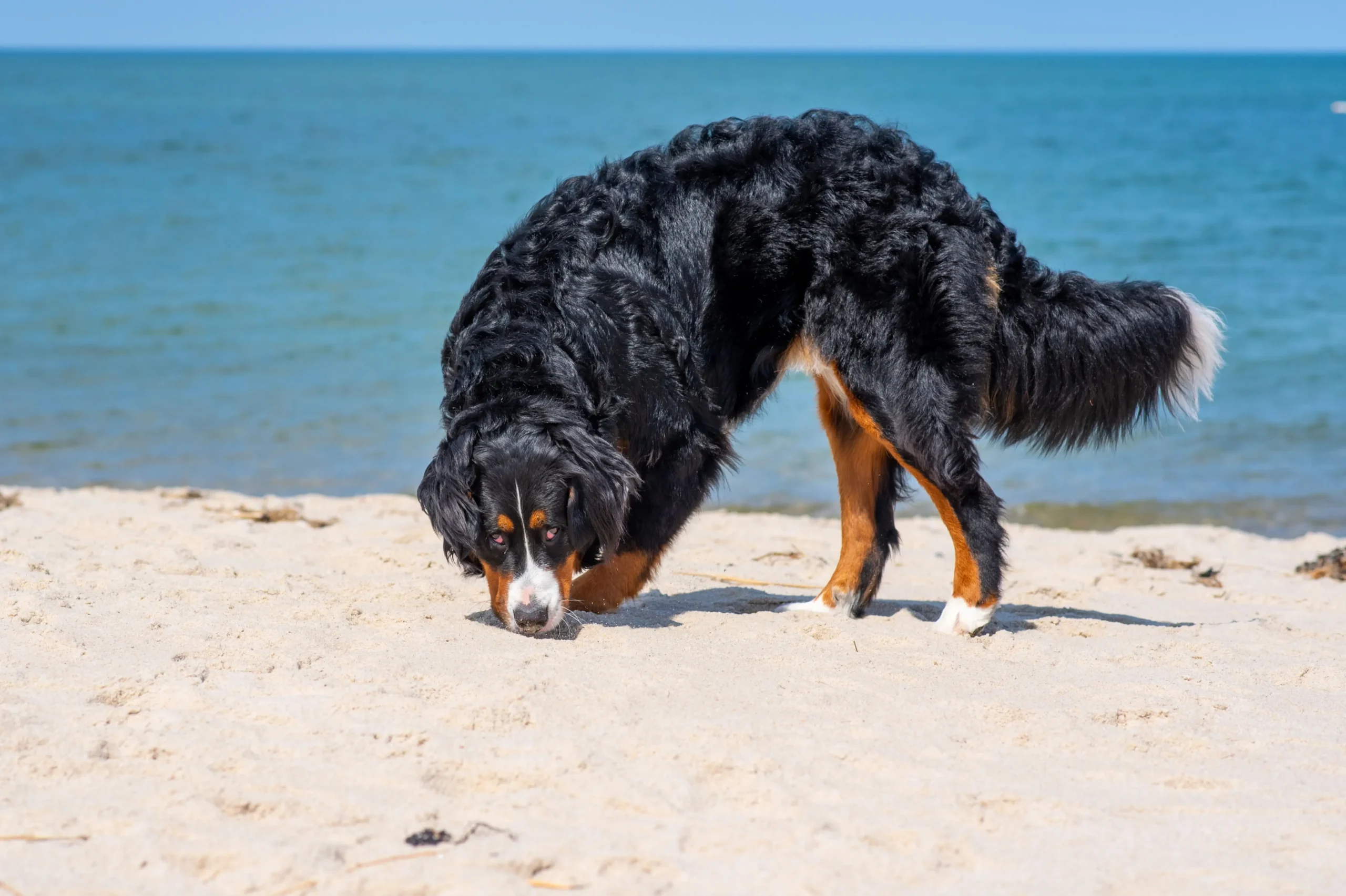
Obedience and Rally
Golden Mountain Dogs are eager to please, a trait reinforced from both sides of their lineage.
They pay close attention to their handler, pick up patterns quickly, and find real satisfaction in getting something right and being acknowledged for it.
Rally obedience suits the breed particularly well. It’s a relaxed, conversational form of competitive obedience where dog and owner navigate a numbered course together, with encouragement allowed throughout.
Unlike traditional obedience competition, rally keeps the handler and dog connected the whole time. That communicative, social element plays directly to the Golden Mountain Dog’s nature.
Beyond competition, regular training at home pays dividends that go well beyond learned commands. A Golden Mountain Dog that trains consistently is more attentive, more settled, and genuinely easier to live with.
Ten focused minutes of training does more for this breed’s daily contentment than an hour of unstructured time in the yard.
Hiking and Trail Exploration
Walking is exercise. Hiking is an experience, and for a Golden Mountain Dog, the difference is felt immediately.
Trails offer layered smells in unfamiliar soil, changing surfaces underfoot, wildlife sounds through the trees, and open space in every direction. A neighborhood route, however long, simply can’t replicate that.
These dogs tend to be visibly more alert on unfamiliar terrain, pausing to investigate, processing the environment through their nose as much as their eyes, then moving forward with renewed interest.
They make excellent trail companions. Steady, sure-footed, comfortable around other hikers, and genuinely happy to cover ground in varied conditions.
Their dual heritage gives them the endurance of a working mountain dog and the sociable temperament of a retriever, a combination that handles trail environments particularly well.
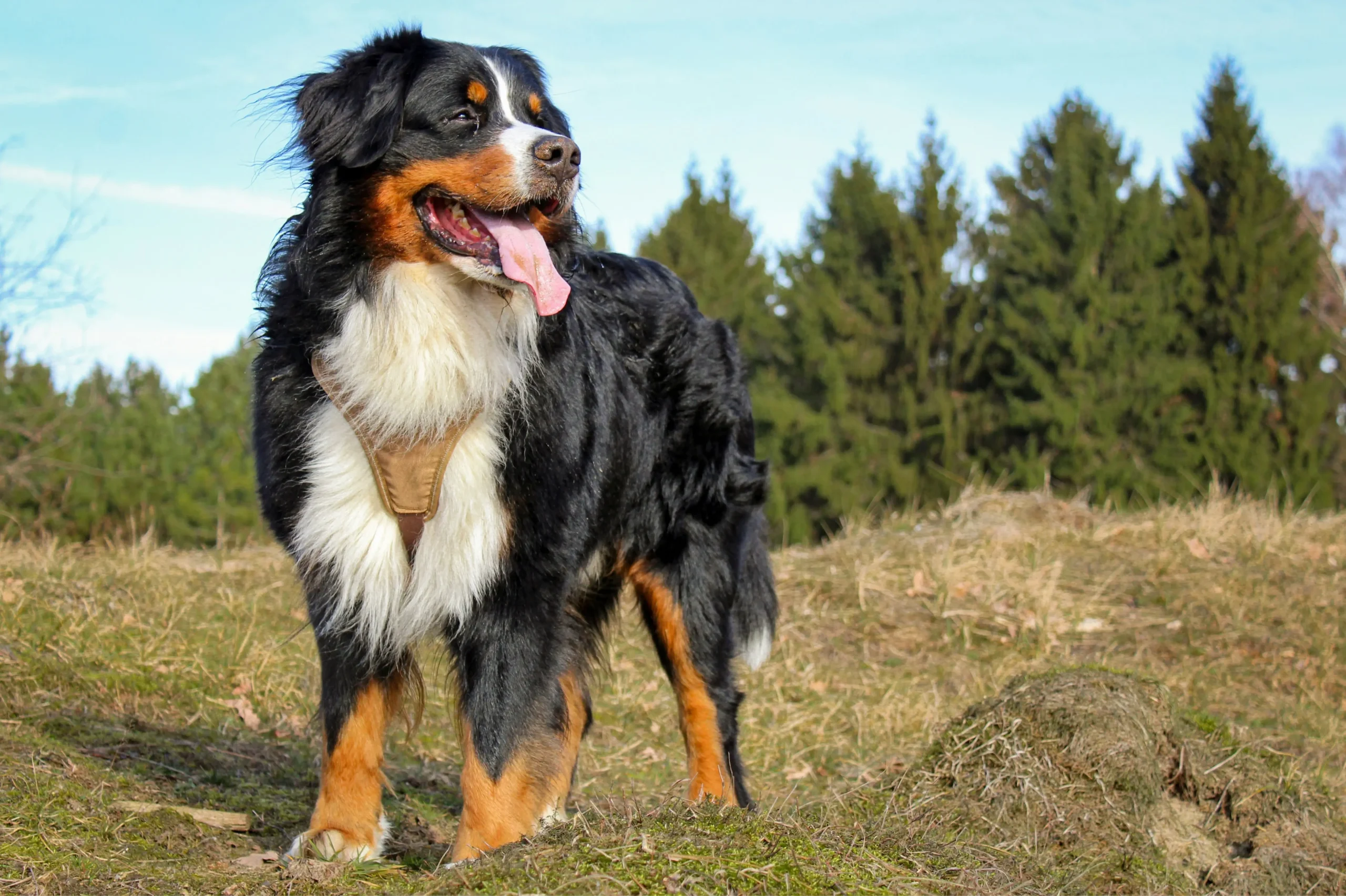
Swimming
Given the Golden Retriever side of their lineage, a breed historically developed to retrieve waterfowl from cold lakes and rivers, many Golden Mountain Dogs have a natural pull toward water.
Swimming engages the whole body in a way ground-based movement doesn’t. It removes the constraints of gravity and joint pressure and taps into a playful, almost uninhibited energy that many Golden Mountain Dogs don’t access during ordinary outings on land.
Dogs that enjoy water will often paddle and splash long after they’d have stopped doing anything else.
The introduction matters. Starting with shallow, calm water and letting the dog wade in at its own pace produces far better results than rushing the process.
Once comfortable, most Golden Mountain Dogs need very little encouragement to go deeper.
Therapy and Visiting Work
The Golden Mountain Dog’s calm temperament, approachable presence, and natural attunement to human emotion make them exceptionally well-suited to therapy work.
Visiting hospitals, care homes, rehabilitation centers, or schools as a certified therapy animal asks something different of a dog than most activities do. It asks for stillness, composure, and quiet responsiveness to strangers in unfamiliar environments.
Golden Mountain Dogs tend to excel here. They read emotional states well, remain composed around unusual equipment and noise, and are neither easily overwhelmed nor prone to overexcitement.
The certification process itself, training, temperament evaluation, and supervised visits, is a meaningful undertaking that suits this breed’s capacity for learning and consistency.
For owners looking for an activity that extends their dog’s impact beyond the household, therapy work is one of the most rewarding paths available.
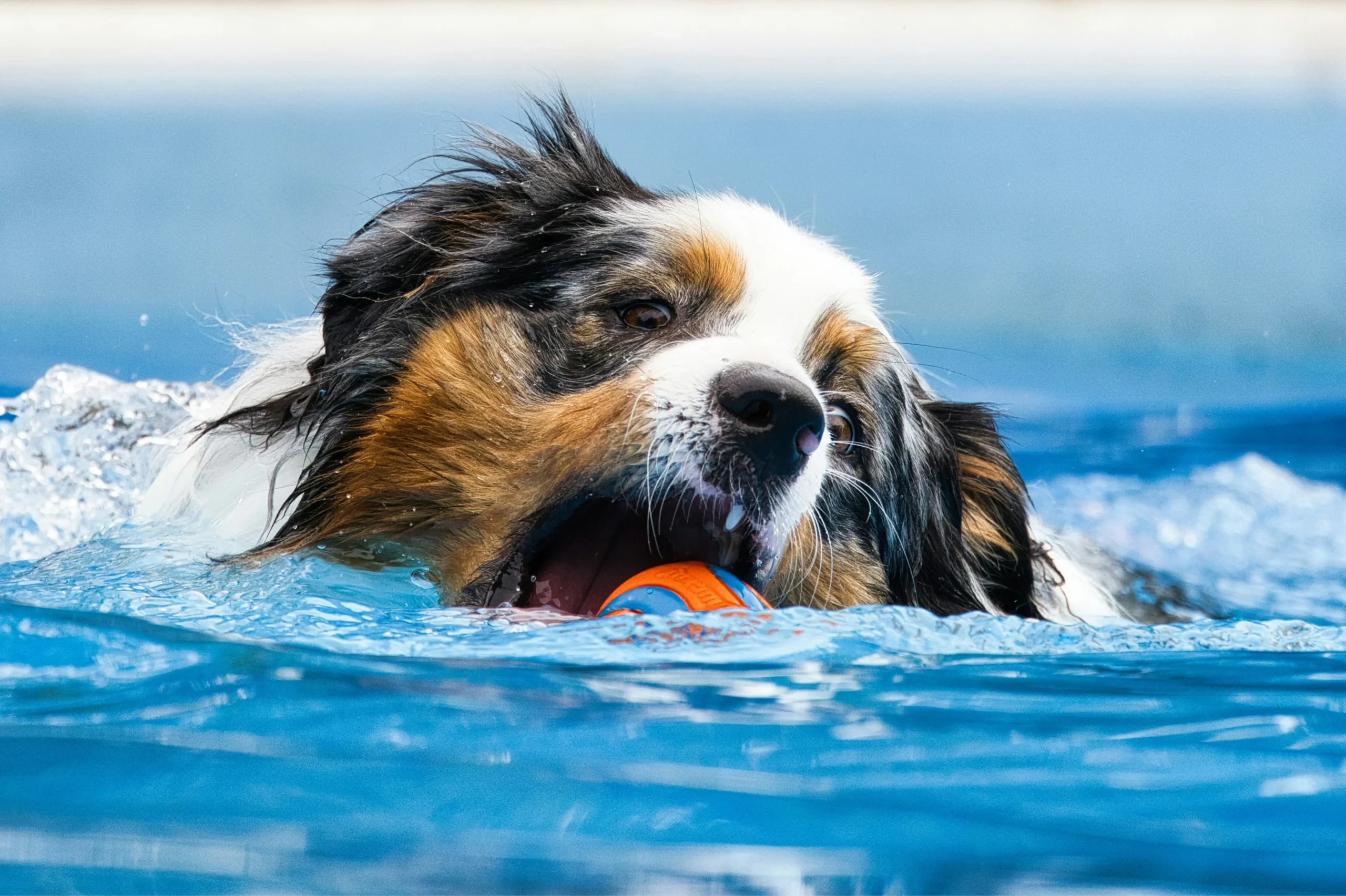
Fetch and Retrieval Games
The Golden Retriever heritage shows clearly in how many Golden Mountain Dogs respond to retrieval.
Chasing a thrown ball, picking it up cleanly, and returning it produces obvious, uncomplicated satisfaction. It engages their drive in a focused and repeatable way that feels entirely natural.
For a dog with genuine retrieval instinct, fetch becomes a dialogue of throw, chase, return, repeat with a rhythm many Golden Mountain Dogs find deeply settling.
Varying the game keeps it engaging rather than mechanical. Switch between different objects. Adjust distances. Introduce a “hold” command before release. Move the game to water for dogs that enjoy both.
Some Golden Mountain Dogs will self-regulate and rest when they’ve had enough. Others will push past their limits out of sheer drive, so watch for early signs of fatigue and end sessions before the dog flags rather than after.
Puzzle Toys and Indoor Play
At home, Golden Mountain Dogs benefit from activities that engage their problem-solving instincts between outings.
Treat-dispensing toys, snuffle mats, layered puzzle boards, and hide-and-seek games with objects or family members give them something to genuinely work at independently and with real focus.
These aren’t substitutes for human engagement. A dog that only gets puzzle toys without meaningful interaction will still feel the deficit.
But they fill gaps in the day meaningfully, keep an intelligent mind occupied during downtime, and prevent the quiet accumulation of boredom that leads to restlessness later.
Rotating toys regularly matters. A puzzle solved fifty times offers very little. A new configuration or an unfamiliar object resets the engagement and gives the dog a genuine reason to think.
Across all of these, the common thread is simple: Golden Mountain Dogs want to be involved.
The specific activity matters less than the sense that they’re participating in something purposeful alongside the people they’re attached to. Get that right, and this breed is remarkably easy to keep content.
Frequently Asked Questions
What is the best activity for a Golden Mountain Dog?
There’s no single answer; it depends on the dog. That said, activities that combine physical effort with mental engagement, like nose work, carting, or rally obedience, tend to produce the most settled and satisfied dogs.
Are Golden Mountain Dogs good at nose work?
Very. Their methodical temperament and capable nose make them natural fits for scent-based activities. A 20-minute nose work session often tires them more thoroughly than a long walk.
Can Golden Mountain Dogs do agility?
Yes, though it suits them better once fully mature. Their size means they’re not the fastest on course, but they’re focused and willing. Keep sessions low-impact until growth plates close around 18 months.
Do Golden Mountain Dogs like to fetch?
Most do he Golden Retriever side of their lineage makes retrieval feel instinctive rather than trained. Many will play fetch enthusiastically for extended periods, so watch for fatigue and end sessions proactively.
Can my Golden Mountain Dog become a therapy dog?
They’re genuinely well-suited to it. Their calm temperament, approachable size, and emotional attunement make them naturals. The process involves training, a temperament evaluation, and supervised visits before certification.
Is carting difficult to teach?
It takes time and patience, but Golden Mountain Dogs tend to take to it naturally. Starting with a basic harness introduction and working up gradually is the right approach. Many breed clubs offer guidance and structured training pathways.
What indoor activities work best for Golden Mountain Dogs?
Puzzle toys, snuffle mats, treat-dispensing toys, and hide-and-seek games all work well. Rotate them regularly. A puzzle the dog has solved many times offers very little challenge or satisfaction.
How long should activity sessions be?
It depends on the activity. Physical sessions like fetch or hiking work best for 30 to 45 minutes. Mental activities like nose work or training are effective in as little as 10 to 20 focused minutes. Quality matters more than duration.
Do Golden Mountain Dogs need activities beyond daily walks?
Yes. Walks meet their physical needs but not always their mental ones. A dog that only walks tends to be less settled than one that also trains, plays, or works at something regularly. Engagement is as important as movement for this breed.
At what age can a Golden Mountain Dog start structured activities?
Basic training and gentle nose work can begin from puppyhood. More physically demanding activities like hiking, carting, or agility should wait until after 18 months, when growth plates have closed and the joints can handle sustained effort safely.