Golden Mountain Dog Health Issues to Watch For
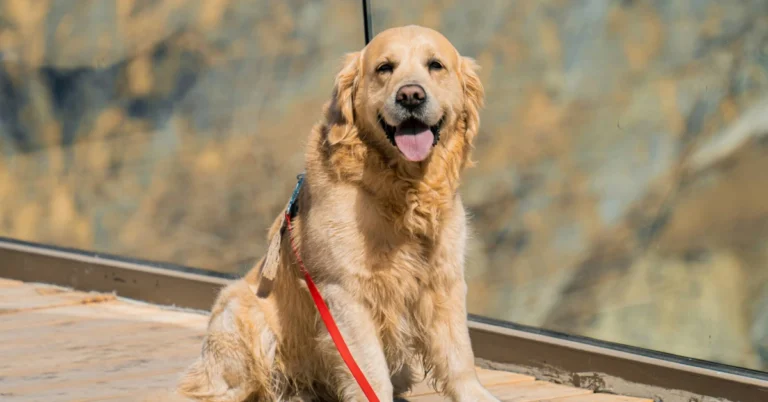
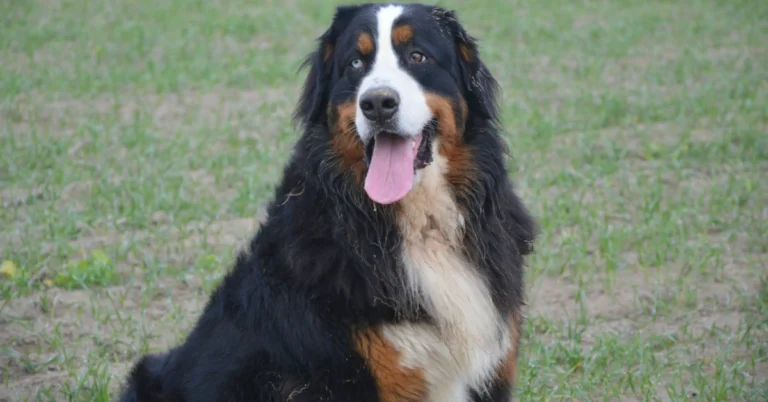
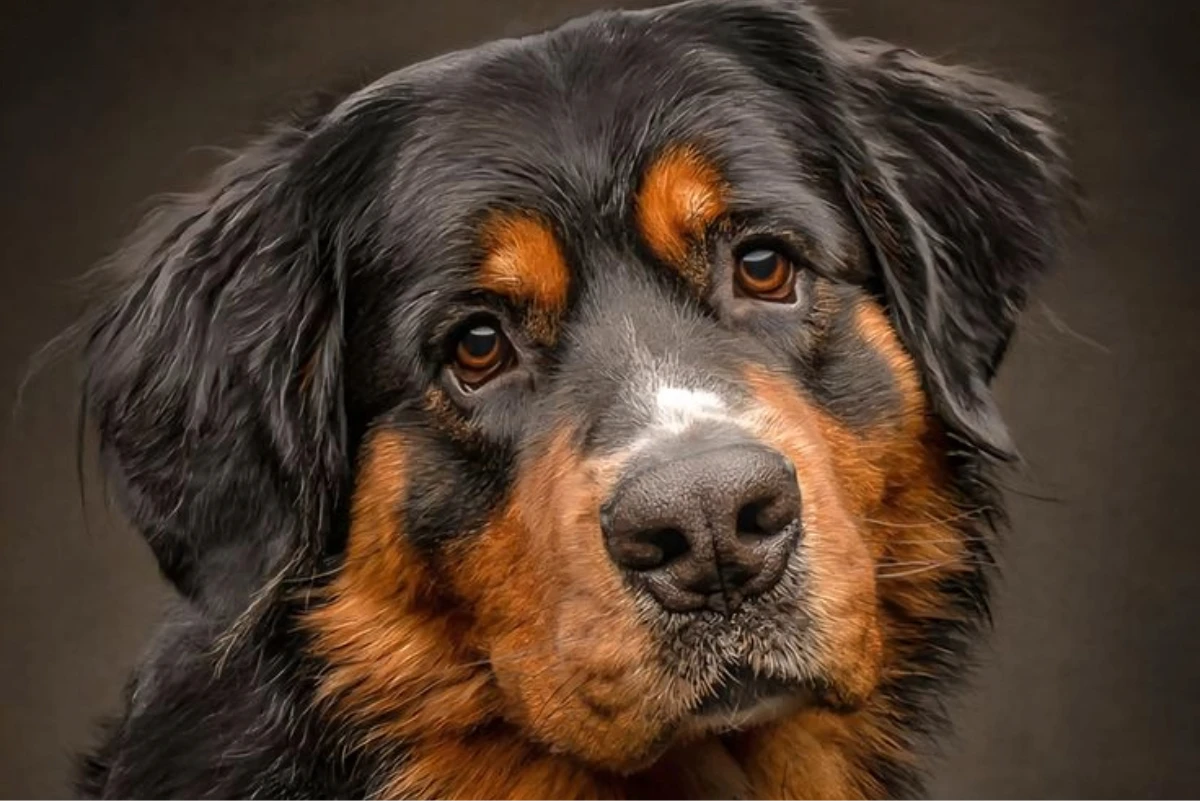
The Golden Mountain Dog is a wonderful hybrid breed, combining the affectionate and playful nature of the Golden Retriever with the calm, protective instincts of the Bernese Mountain Dog. While these dogs are generally healthy, like all breeds, they can be prone to certain health conditions. Being aware of these potential issues will help you monitor your dog’s well-being and ensure they live a long, happy life.
In this article, we will explore the most common health problems that Golden Mountain Dogs may face, how to prevent or manage them, and what you can do to keep your dog healthy throughout their life.
Common Health Issues in Golden Mountain Dogs
Golden Mountain Dogs are a large breed, and like other large dogs, they are predisposed to certain health problems. However, with proper care, regular vet visits, and a healthy lifestyle, many of these conditions can be managed or even prevented. Below are the most common health issues to be aware of.
1. Hip and Elbow Dysplasia
One of the most common health issues in large breeds like the Golden Mountain Dog is hip and elbow dysplasia. These are genetic conditions that affect the joints, leading to pain, stiffness, and arthritis over time.
Hip Dysplasia
Hip dysplasia occurs when the hip joint doesn’t develop properly, leading to an abnormal wear pattern that can cause arthritis and pain. It’s more common in larger dogs, especially breeds like the Golden Retriever and Bernese Mountain Dog, which are both prone to this condition.
Elbow Dysplasia
Elbow dysplasia is a similar condition, but it affects the elbows instead of the hips. It can cause discomfort, limping, and difficulty moving, particularly after exercise.
Prevention and Management:
- Choose a reputable breeder who screens their breeding dogs for joint issues.
- Ensure your puppy grows at a steady, healthy rate. Overfeeding during the growth phase can put additional strain on developing joints.
- Provide joint supplements (such as glucosamine and chondroitin) to support joint health.
- Regular, low-impact exercise is key. Avoid excessive running or jumping during your dog’s puppy and adolescent stages to protect their joints.
2. Bloat (Gastric Dilatation-Volvulus or GDV)
Bloat is a potentially life-threatening condition that is common in large breed dogs with deep chests, like the Golden Mountain Dog. It occurs when the stomach fills with gas, causing it to expand. In some cases, the stomach can twist on itself, which can block blood flow to vital organs and lead to shock or death if not treated immediately.
Signs of Bloat:
- Swollen or distended abdomen
- Retching or attempts to vomit without producing anything
- Excessive drooling
- Restlessness or signs of pain
- Rapid breathing or panting
Prevention and Management:
- Avoid feeding your dog large meals in one sitting. Instead, divide their food into smaller portions throughout the day.
- Limit exercise for about an hour before and after meals to reduce the risk of bloat.
- If you suspect your dog is bloated, seek immediate veterinary care. GDV is a medical emergency that requires prompt treatment.
3. Progressive Retinal Atrophy (PRA)
Progressive Retinal Atrophy (PRA) is an inherited eye disease that affects many dog breeds, including the Golden Retriever and Bernese Mountain Dog. PRA causes degeneration of the retina, leading to blindness. It usually starts with night blindness and progresses to total blindness as the disease advances.
Signs of PRA:
- Difficulty seeing in low light or at night
- Hesitation or reluctance to go on walks in the dark
- Bumping into objects or becoming disoriented in unfamiliar places
Prevention and Management:
- PRA is genetically inherited, so it’s important to choose a responsible breeder who tests for this condition.
- There is no cure for PRA, but managing the environment to ensure safety for blind dogs is important.
- You can help your Golden Mountain Dog adapt to blindness by making your home safe and consistent and providing them with lots of sensory enrichment (smells, sounds, etc.).
4. Hypothyroidism
Hypothyroidism is a condition where the thyroid gland does not produce enough thyroid hormone, leading to a variety of symptoms such as weight gain, lethargy, and skin problems. It can affect both Golden Retrievers and Bernese Mountain Dogs, and therefore may also affect Golden Mountain Dogs.
Signs of Hypothyroidism:
- Weight gain despite a normal diet
- Lethargy and lack of energy
- Dry, flaky skin and hair loss
- Increased susceptibility to infections
Prevention and Management:
- Hypothyroidism is treatable with medication (thyroid hormone replacement).
- If you suspect your dog has hypothyroidism, a blood test by your vet can confirm the diagnosis.
- Once diagnosed, your dog will require medication for the rest of their life, but they can live a happy, healthy life with proper treatment.
5. Cancer
Cancer is unfortunately a common concern in many dog breeds, and Golden Mountain Dogs are no exception. Both Golden Retrievers and Bernese Mountain Dogs are more prone to certain types of cancer, such as lymphoma and hemangiosarcoma. Golden Mountain Dogs may also be at risk due to their parent breeds’ genetics.
Signs of Cancer:
- Lumps or bumps that seem to grow or change shape
- Unexplained weight loss or changes in appetite
- Unusual swelling or bleeding
- Difficulty breathing, coughing, or lethargy
Prevention and Management:
- Regular vet visits for check-ups are essential, as early detection is key to effective treatment.
- If your dog develops cancer, treatment options may include surgery, chemotherapy, or radiation therapy, depending on the type and stage of cancer.
How to Keep Your Golden Mountain Dog Healthy
While Golden Mountain Dogs may be prone to certain health issues, there are plenty of things you can do as a responsible pet owner to ensure your dog stays happy and healthy:
1. Regular Vet Check-ups
Regular vet visits are key to catching any health issues early. Your vet will perform thorough exams and run tests to check for any signs of health problems, such as joint issues, eye diseases, or heart conditions. Make sure to keep up with vaccinations, flea and tick preventatives, and annual check-ups.
2. Balanced Diet
Feeding your Golden Mountain Dog a nutritious, high-quality diet is essential to their health. Make sure you choose food that is specially formulated for large breeds to support their joint health and provide the necessary nutrients for growth and energy.
3. Proper Exercise
Regular exercise is crucial for keeping your dog fit and healthy. Golden Mountain Dogs are active and enjoy outdoor activities like walking, hiking, or playing fetch. However, make sure to avoid excessive high-impact exercise in puppies to protect their growing joints.
4. Joint Support Supplements
Golden Mountain Dogs, being a large breed, may benefit from joint supplements such as glucosamine and chondroitin. These can help support joint health and prevent or delay the onset of conditions like hip or elbow dysplasia.
5. Dental Care
Dental health is often overlooked but is just as important as other aspects of care. Brush your dog’s teeth regularly using dog-safe toothpaste and provide dental chews to help prevent tooth decay and gum disease.
Conclusion
Golden Mountain Dogs are generally healthy, but like all breeds, they can be prone to certain health conditions. Being aware of common issues such as hip dysplasia, bloat, PRA, hypothyroidism, and cancer will help you stay proactive in caring for your dog. Early detection through regular vet visits, a balanced diet, and appropriate exercise can go a long way in ensuring your Golden Mountain Dog enjoys a long, happy, and healthy life.
By being attentive to their health needs and providing the right care, you’ll be able to keep your Golden Mountain Dog healthy and ensure that they thrive in your home for many years to come.
Frequently Asked Questions
1. What is the average lifespan of a Golden Mountain Dog?
Golden Mountain Dogs typically live between 10 to 12 years, although their lifespan can vary depending on their health and lifestyle.
2. How can I prevent hip dysplasia in my Golden Mountain Dog?
Hip dysplasia is genetic, but you can reduce the risk by ensuring your dog has a proper diet, avoiding overfeeding during the puppy stage, and providing regular low-impact exercise.
3. Are Golden Mountain Dogs prone to cancer?
Yes, Golden Mountain Dogs may be more prone to certain types of cancer due to their parent breeds, but regular vet check-ups and early detection can help manage the disease if it occurs.
4. How do I know if my Golden Mountain Dog has hypothyroidism?
Common signs of hypothyroidism in dogs include weight gain, lethargy, and dry, flaky skin. If you suspect your dog may have hypothyroidism, consult with your vet for a blood test to confirm the diagnosis.
5. Can Golden Mountain Dogs be affected by eye problems?
Yes, Golden Mountain Dogs may be prone to Progressive Retinal Atrophy (PRA), which can lead to blindness. Regular eye exams by a vet can help detect any eye issues early.