The Complete Guide to Training Your Golden Mountain Dog
There’s a reason Golden Mountain Dog owners are often insufferably smug about their dogs. This mix, a Golden Retriever crossed with a Bernese Mountain Dog, somehow manages to combine the Golden’s joyful, people-pleasing energy with the Bernese’s quiet steadiness and loyalty. The result is a dog that is genuinely easy to love and, with the right approach, genuinely easy to train.
But “easy to love” and “easy to manage” are two different things. Golden Mountain Dogs can reach 100 pounds or more. They mature slowly. They form intense bonds with their families. And when their needs aren’t met, they’ll find creative and often destructive ways to meet them themselves.
This guide is for owners who want to do it right: not just teach a dog to sit, but build a relationship with a dog that’s calm, confident, and a pleasure to live with for the next decade-plus.
Understanding What You’re Actually Working With
Most hybrid breed guides say something like “they get the best of both worlds.” That’s optimistic. The truth is more interesting.
Golden Retrievers were bred to work closely alongside humans all day, taking direction, staying focused, and returning to hand. They’re attentive by design. Bernese Mountain Dogs were bred to make decisions independently, guarding, drafting, and herding without constant human input. They’re thoughtful by design, which can read as stubborn if you don’t understand it.
Your Golden Mountain Dog is some combination of both. Which traits dominate varies from dog to dog, and even from moment to moment. What does that mean practically?
On a good day, you have a dog that is engaged, willing, emotionally attuned to you, and motivated by both food and your approval. On a harder day, you have a dog that has decided the smell coming from three gardens over is simply more interesting than anything you have to offer.
Neither is wrong. Both are trainable. The key is understanding that this dog is not being defiant when it ignores you; it’s being a dog with a rich inner world and a nose that processes information at a level you literally cannot comprehend. Your job is to consistently become more interesting than the alternatives.
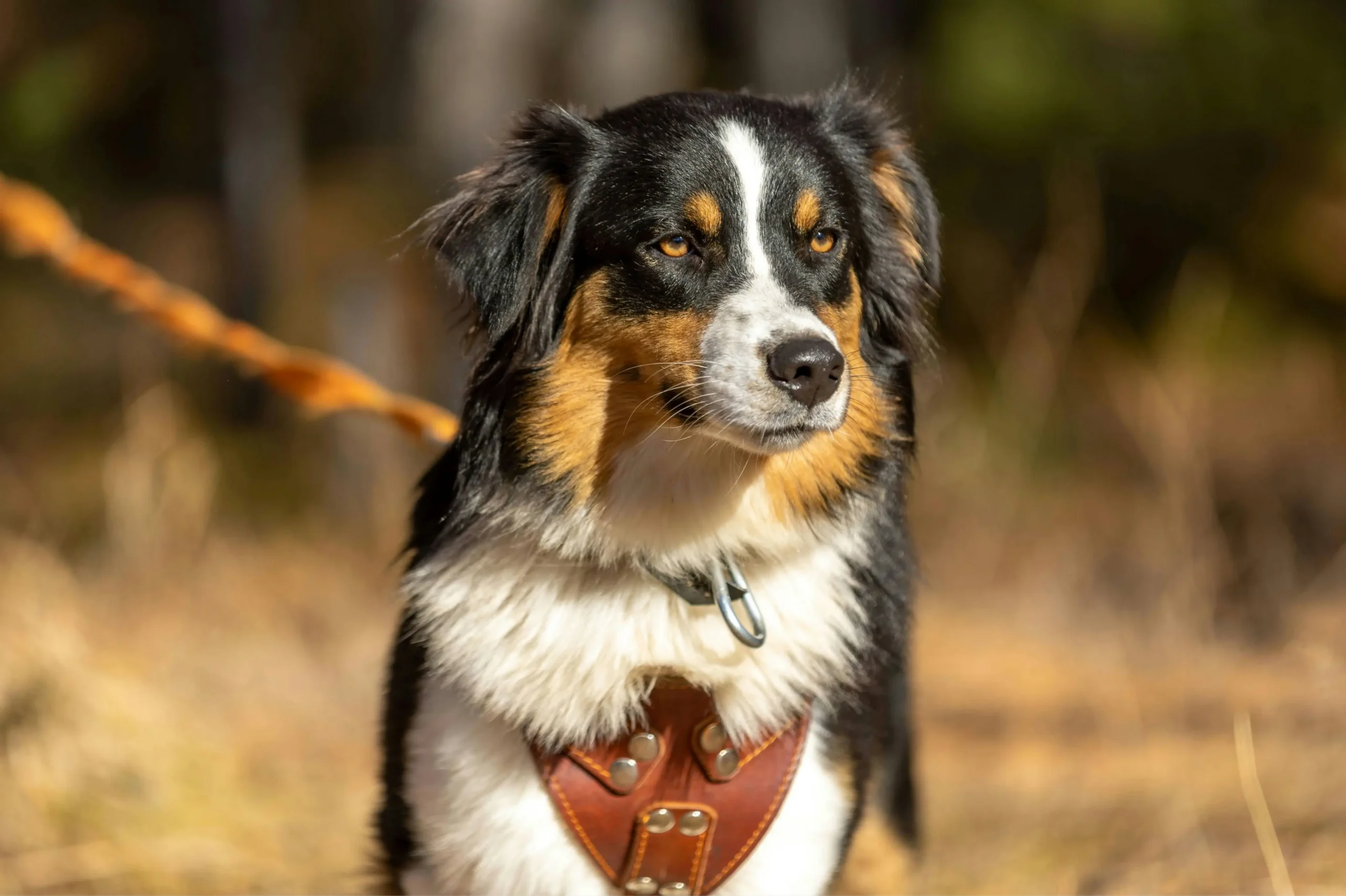
The One Rule That Overrides Everything Else
Before getting into life stages and specific commands, this needs to be said clearly: Golden Mountain Dogs do not respond well to punishment, corrections, or force.
This isn’t a soft preference. It’s a practical reality rooted in the Bernese side of their genetics. Bernese Mountain Dogs are deeply sensitive animals. They attune themselves to your emotional state, and they remember. A harsh correction doesn’t just fail to work; it actively damages the trust that makes training possible in the first place. A Golden Mountain Dog that has learned to be wary of you is not a dog you can train effectively.
Positive reinforcement, rewarding behaviors you want to see more of, is not just the kindest approach. It’s the most effective one for this breed. Everything that follows is built on that foundation.
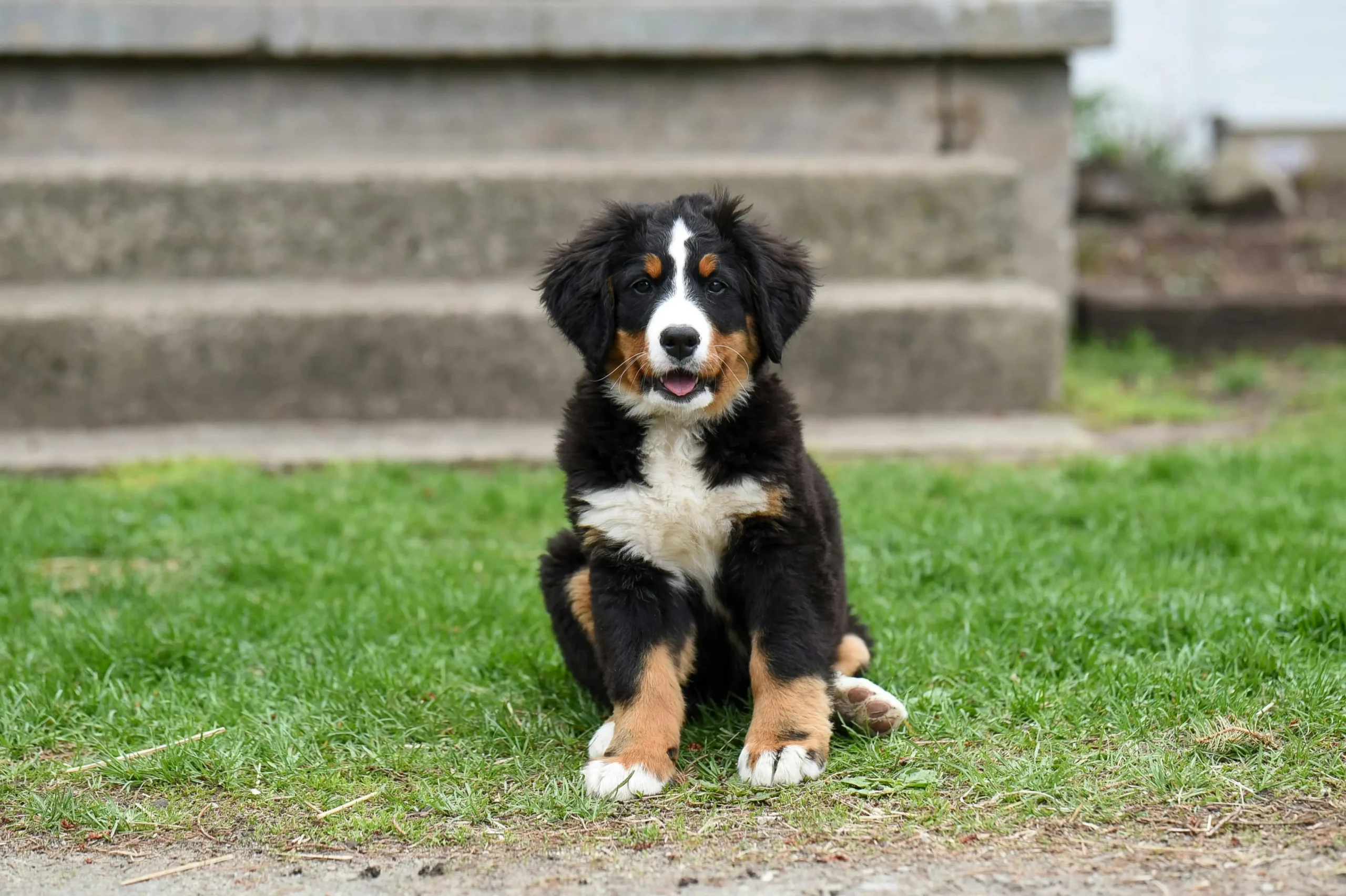
Puppy (8 Weeks – 6 Months): The Window You Cannot Afford to Waste
Puppy training guides often focus on commands. That’s understandable, but it slightly misses the point. The most important thing happening between 8 weeks and 6 months isn’t sit, stay, or come. It’s your puppy learning what kind of world they live in.
The technical term is socialization, but that word undersells it. This is your puppy forming lasting neural associations about people, environments, sounds, surfaces, other animals, and novel experiences. The associations formed during this window are far more durable than those formed later. A puppy that learns the world is safe, predictable, and full of good things grows into a confident adult. A puppy that doesn’t get harder to manage with every pound they gain.
What good socialization actually looks like: It’s not dragging your puppy into complicated situations and hoping for the best. It’s controlled, positive exposure sitting on a park bench far enough from foot traffic that your puppy is curious but not overwhelmed, and feeding them treats for every calm observation. It’s letting them hear the vacuum cleaner from two rooms away before bringing it closer. It’s introducing them to people of different ages, appearances, and energy levels, always on the puppy’s terms, never forced.
What to train: Keep obedience sessions to 5–10 minutes, two or three times a day. Focus on sit, come, leave it, loose-leash walking, and crate comfort. These aren’t arbitrary choices. They’re the commands that will matter most for safety and daily life as your dog grows. A 10-pound puppy that jumps on guests is funny. A 100-pound adult that does it is a liability.
For age-appropriate exercise guidelines at every stage, see our exercise guide.
Crate training is non-negotiable. Not as punishment, not as storage, but as a genuinely safe and comfortable space your dog chooses voluntarily. A dog this size will need a crate at the vet, in a car, and potentially during recovery from the joint issues that large breeds are prone to. Build the positive association now.
On housetraining: Expect accidents until around 6 months. Puppies simply don’t have reliable bladder control before then. Take them outside every 1–2 hours, immediately after meals, after naps, and after play. Reward elimination outside with real enthusiasm. Clean accidents with an enzymatic cleaner and move on without drama. Punishment after the fact teaches nothing and erodes trust.
Adolescent (6 Months – 18 Months): Surviving the Regression
Something will happen around 6–8 months that may feel like betrayal. The puppy who was learning beautifully will begin to ignore commands they knew perfectly. They’ll pull on the leash as if they’ve never heard the word “heel.” They’ll forget that counter-surfing is not allowed. They’ll discover that the neighbor’s cat exists, and that discovery will consume them entirely.
This is normal. It is not a training failure. It is adolescence.
What’s happening neurologically is genuinely complex. The brain is being rewired, impulse control is temporarily offline, and the reward value of environmental stimulation spikes dramatically. The squirrel, for a brief and maddening period, is simply more interesting than you.
Your response to this period will determine a great deal about the adult dog you end up with.
Stay consistent without escalating: The rules don’t change because your dog is testing them. If jumping on guests was never allowed, it still isn’t. Calmly redirect and reward the right behavior. Losing patience or raising the intensity of corrections during adolescence tends to produce anxious, confused dogs, not more obedient ones.
Manage the environment so your dog can’t rehearse bad habits: Leash on walks, gates in the kitchen, crate when unsupervised. Every time your adolescent Golden Mountain Dog successfully pulls to the end of the leash and reaches the interesting smell, they’ve practiced pulling. Every repetition makes the habit stronger. Management isn’t permissive; it’s smart.
Recall is your most important investment right now: A large, enthusiastic adolescent dog that doesn’t come when called is a genuine safety risk. Practice it daily, in progressively more distracting environments, with your highest-value rewards. Never call your dog to scold them. Never call them to do something unpleasant. Recall needs to be the best thing that has ever happened to them.
Consider a group obedience class: Not because you can’t teach commands at home, but because learning to focus on you around other dogs is a skill that can only be built around other dogs. It’s one of the most valuable things you can give an adolescent.
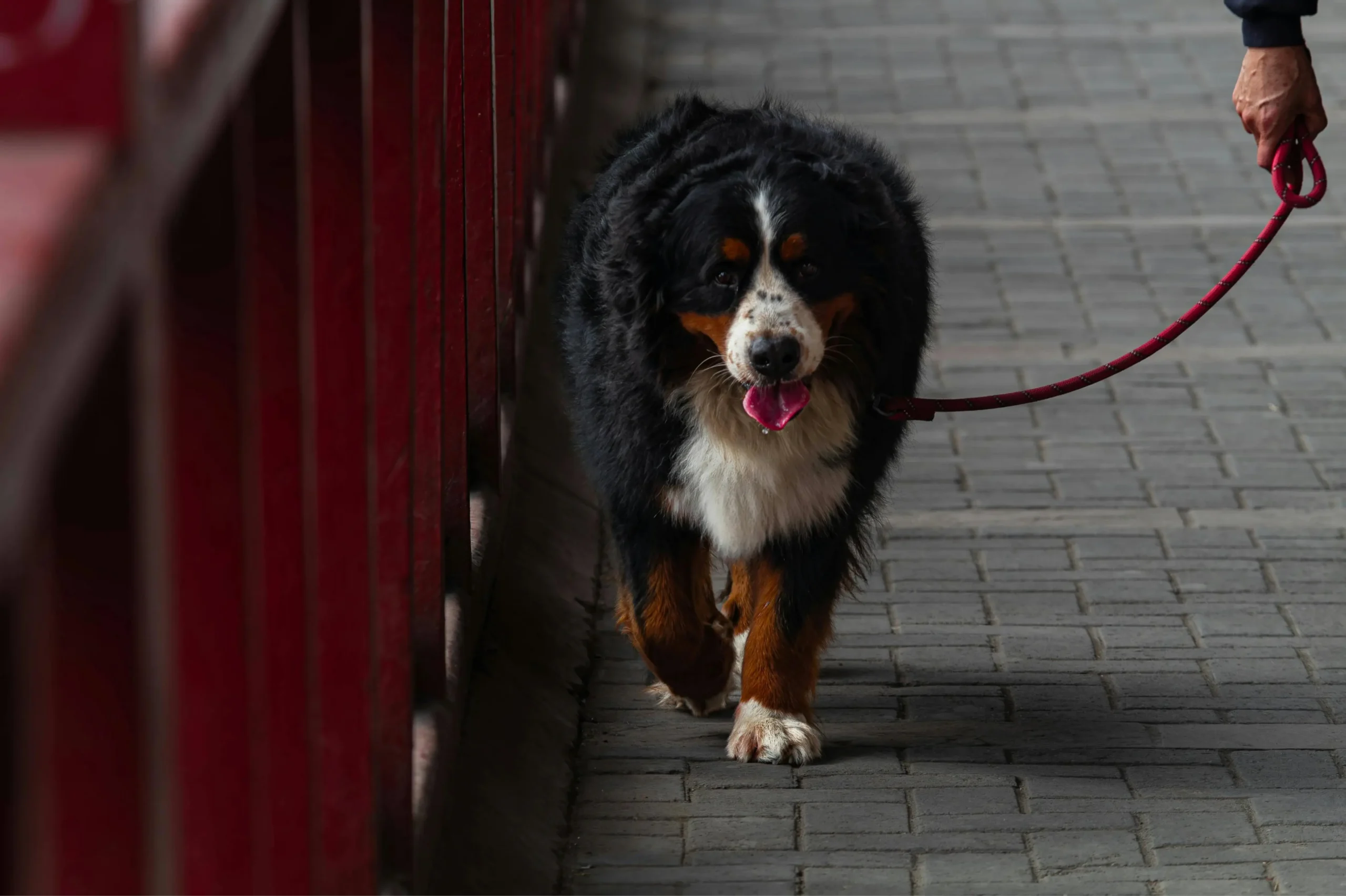
Adult (18 Months – 7 Years): The Payoff
Somewhere between 18 months and 2 years, the fog lifts. The dog you’ve been working toward starts to emerge calmer, more attentive, more reliably responsive. This is often the most enjoyable period to train, because your dog has both the foundation and the mental maturity to build on it.
This is the time to add what trainers call the three Ds: duration (how long your dog holds a command), distance (how far away you can be when you give it), and distraction (how much is happening around your dog when they’re asked to respond). A sit at home on a quiet evening is easy. A sit outside a busy café with dogs passing and food smells in the air is a real skill and worth building deliberately.
Golden Mountain Dogs thrive with purpose. If you have any interest in dog sports, this is the time to explore them. Rally obedience, agility, therapy work, and carting all suit this breed well. These aren’t just hobbies. They’re enrichment that deepens your bond, burns mental energy, and gives your dog a sense of meaningful participation in your life.
Maintain training as a daily practice, even informally. Asking for a sit before meals, a wait before going through doorways, and a down-stay while you eat dinner- these micro-moments of reinforcement keep skills sharp and keep your dog oriented toward you as someone worth listening to.
Senior (7+ Years): Adapting, Not Stopping
Large breeds age faster than small ones, and many Golden Mountain Dogs begin showing signs of slowing around 7–8 years. Joint stiffness, reduced stamina, and some sensory dulling are common. This doesn’t mean training stops; it means training adapts.
Shorten sessions. Skip anything physically demanding. Focus on mental engagement over physical performance.
Scent work is ideal for senior dogs. It requires no running, no jumping, and no particular physical fitness, but it taxes the brain in a deeply satisfying way. A senior dog who spends 15 minutes working through a scent puzzle will often be more contentedly tired than one who went on a long walk.
Watch for changes that go beyond normal aging. Canine Cognitive Dysfunction, the dog equivalent of dementia, can cause confusion, disorientation, forgetting of house training, and behavioral changes that look like stubbornness. If something feels off beyond physical slowing, speak with your vet before attributing it to a training problem.
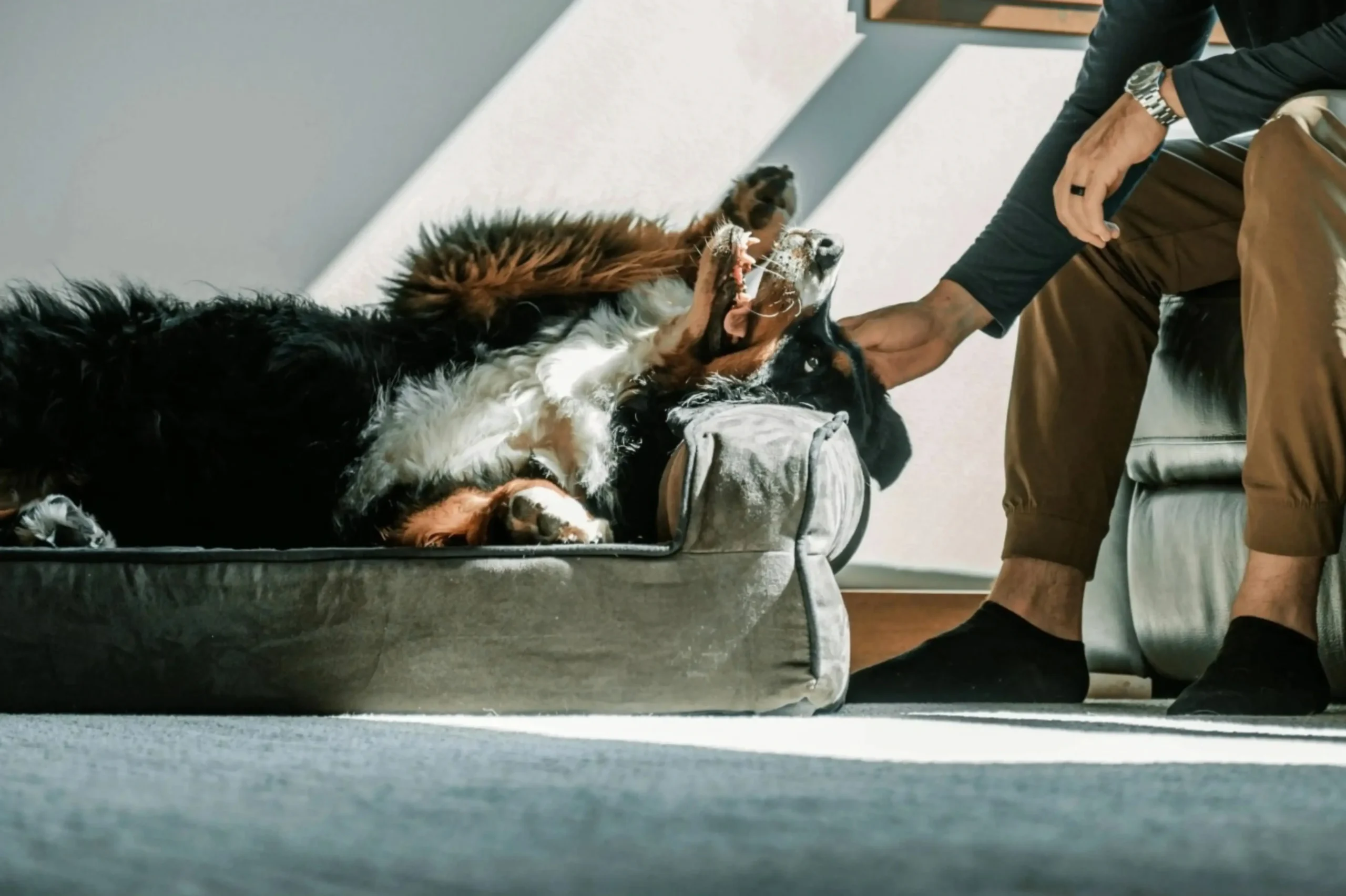
Behavioral Challenges: The Real-World Guide
Leash Pulling.
This is the most common complaint with large-breed owners, and with Golden Mountain Dogs, a dog that weighs 90 pounds and pulls must be a dog that controls your walks, not the other way around.
Start with equipment: a front-clip harness doesn’t cause pain or force compliance, but it redirects the dog back toward you when they pull, which interrupts the pulling pattern long enough for you to reward the right behavior. It buys you time while you train.
The actual training is simple but demands patience: the leash goes loose, the dog gets rewarded. The leash goes tight, you stop completely- not slow down, stop. You wait. The dog eventually releases tension. The moment they do, you mark it and move forward. You repeat this thousands of times. Eventually, the dog learns that a loose leash is the only way forward, and a tight one gets them nowhere.
The critical variable is consistency. Every walk, with every person who handles the dog, needs to follow the same rules. One person who lets them pull undoes significant training progress.
Jumping Up.
Golden Mountain Dogs jump because jumping has worked. Someone, at some point, gave them attention for it. The fix is simple but requires everyone in the household (and every guest) to be aligned: jumping gets nothing. Zero. No eye contact, no push away, no “no” any of those responses is still a response, and a social breed will take attention in any form.
The moment four paws are on the floor, the dog gets calm, warm acknowledgment. Over time, you can train an active greeting behavior, such as a sit or hand target, that replaces jumping entirely. But extinction has to come first.
Separation Anxiety.
This is the behavioral issue most likely to sneak up on Golden Mountain Dog owners, because it doesn’t always look like anxiety. It can look like a chewed couch, a scratched door, or a neighbor’s complaint about barking.
Prevention is far easier than treatment. From puppyhood, practice departures. Leave the room for 30 seconds, and come back calm. Build up duration slowly. Never make arrivals or departures emotionally charged events. If your departures involve lengthy goodbyes and your arrivals involve ecstatic reunions, you’re unintentionally teaching your dog that your absence is a crisis.
For dogs that already have separation anxiety, consult a trainer or veterinary behaviorist. True separation anxiety often requires a structured desensitization protocol and sometimes medication to break the anxiety cycle enough for training to work. It’s not something to push through with willpower alone.
Counter-Surfing.
A tall dog with a good nose and no moral framework around kitchen surfaces is going to find your food eventually. The management piece, never leaving temptation at the counter level, is basic and necessary. The training piece is a solid “leave it” that generalizes from treats in your hand to unattended food on a surface.
That generalization takes deliberate practice: leave food at the counter level, watch from around the corner, reward the dog for not going near it. It won’t happen by accident.
Demand Barking
Golden Mountain Dogs aren’t typically excessive barkers, but boredom and under-stimulation will reliably produce one. The solution to boredom barking is more enrichment: more physical exercise, more mental challenge, more engagement.
Demand barking at you for food, attention, or play is a different issue and requires the opposite of enrichment: complete, impenetrable non-response. Any reaction, including frustrated silence, usually reads as engagement to a social dog. Wait it out, reward the quiet, and don’t give in to the barking even once. One successful repetition resets the training significantly.
FAQs
Are Golden Mountain Dogs easy to train?
Easier than most. Their retriever heritage gives them food motivation and a drive to work with humans. Their Bernese heritage gives them emotional attunement and calm focus. The combination is genuinely pleasant to work with, as long as you’re using positive methods and keeping sessions short enough to hold their attention.
When should I start training?
The day they come home. Eight-week-old puppies are capable of learning basic commands and beginning socialization. Waiting until six months because they seem too young is one of the most common and consequential mistakes new owners make.
How much exercise does an adult Golden Mountain Dog need?
Plan for 60–90 minutes per day, but quality matters as much as quantity. Off-leash time in a safe area, swimming, fetch, and structured activities like agility or carting give your dog more than a long walk on leash does. Mental exercise training, puzzle feeders, and scent games count too.
Can they be left alone?
Yes, if they’ve been taught to be. Start short and build gradually, from puppyhood. Never make departures or returns into emotional events. Provide enrichment before you leave. A dog that hasn’t been taught to be alone, suddenly left alone for eight hours, will find a way to cope, and you probably won’t like the method they choose.
How do I stop leash pulling?
Front-clip harness, stop dead when the leash goes tight, move forward the instant it releases, reward heavily for walking alongside you. Repeat consistently on every walk. It takes weeks, not days, but it works.
Do they do well with kids?
Generally, both parent breeds are known for patience and gentleness. The important caveat is size: an excited 90-pound dog that jumps or bowls over a small child doesn’t need to mean any harm to cause real damage. Teach “off” and “sit for greeting” early and enforce them consistently.
Final Thoughts.
The Golden Mountain Dog isn’t a breed that responds well to being managed. It responds to being included in your life, your routines, your daily rhythms. The training that works best for this dog isn’t a series of drills performed twice a week. It’s a relationship built through consistent, positive, everyday interaction.
The groundwork you lay in the first two years will shape every year that follows. Do it with patience, with kindness, and with a genuine appreciation for the kind of dog you have, and you’ll end up with a companion that’s not just well-behaved, but genuinely wonderful to be around.