Wellness Guide for Golden Mountain Dogs
Wellness for a Golden Mountain Dog isn’t a single vet visit once a year.
This guide covers the proactive wellness strategy. Vet partnerships, breeder screening, and preventive habits. For specific health conditions, see our health guide. For daily care routines, see our care guide.
It’s an ongoing commitment, a mindset that shifts from reacting to problems to actively preventing them. This breed asks more of its owners than most breeds, and the reasons are serious enough to warrant honest attention.
Understanding the Health Landscape
To care for a Golden Mountain Dog well, you need to understand what you’re up against.
The Bernese side of their lineage carries a shortened average lifespan of seven to ten years and a meaningful predisposition to several serious conditions. The Golden Retriever side adds its own elevated risk of cancer on top of that.
The conditions most commonly seen in this breed include:
Cancer is the leading cause of death on the Bernese side. Histiocytic sarcoma is particularly associated with the breed; it is aggressive, fast-moving, and often diagnosed late because early symptoms are vague. Lethargy, weight loss, and loss of appetite are the signals most owners notice first, by which point the disease is often advanced.
Hip and elbow dysplasia are inherited joint malformations that lead to painful arthritis over time. Signs include stiffness after rest, difficulty rising, and lameness in the limbs. Many dogs develop these conditions silently before symptoms become obvious.
Degenerative myelopathy is a progressive spinal cord disease that gradually causes weakness and paralysis in the hind limbs. It can be tested for genetically, which is one reason breeder screening matters so much.
Other conditions to be aware of include Progressive Retinal Atrophy affecting vision, autoimmune disorders, skin allergies, and bleeding disorders such as Von Willebrand’s disease.
Knowing these risks isn’t meant to be discouraging. It’s meant to sharpen your attention.
The Wellness Mindset
The traditional model of taking a dog to the vet only when something looks wrong is genuinely inadequate for this breed.
What’s required instead is proactive health management, treating wellness as an active pursuit rather than an absence of obvious illness.
Think of it as a triangle with three partners. You, your breeder, and your veterinarian. Each plays a distinct role, and the system works best when all three are engaged consistently.

Choosing the Right Breeder
This is the single most important wellness decision you make, and it happens before the dog even comes home.
A responsible breeder screens their breeding dogs thoroughly. That means documented clearances for hip and elbow dysplasia, eye conditions, heart disease, and degenerative myelopathy. They will share this documentation openly and be transparent about health history and longevity in their lines.
That foundation at the breeding level makes every subsequent aspect of care more effective. A dog from health-tested parents isn’t guaranteed to be problem-free, but they start with significantly better odds.
Avoid puppy mills and backyard breeders entirely. The short-term savings carry long-term costs that are both financial and emotional.
Building a Veterinary Partnership
Your vet is your second partner in the wellness triangle, and the relationship works best when it’s ongoing rather than reactive.
Find a vet who is knowledgeable about large breeds and their specific vulnerabilities. Schedule regular wellness check-ups, not just appointments when something is visibly wrong or vaccinations are due.
At those check-ups, discuss preventative options specific to this breed. Prophylactic gastropexy, a surgery that prevents the stomach from twisting, is worth considering and is often performed at the same time as a spay or neuter.
Between appointments, your job is vigilance.
Watch for subtle shifts that are easy to dismiss: a slight change in appetite, a new reluctance to climb stairs, a difference in energy level, a coat that looks duller than usual. These small signals are often the earliest indicators of something worth investigating.
Report them promptly. Early detection changes outcomes significantly for many of the conditions this breed is prone to.
Weight Management
This is one of the most powerful wellness tools available to any Golden Mountain Dog owner, and it costs nothing but consistency.
Excess weight puts direct mechanical strain on joints already predisposed to dysplasia. It accelerates the progression of arthritis. It stresses the heart and reduces overall resilience.
You control the food bowl. That control is not a small thing; it’s one of the most tangible ways you influence your dog’s long-term health and quality of life.
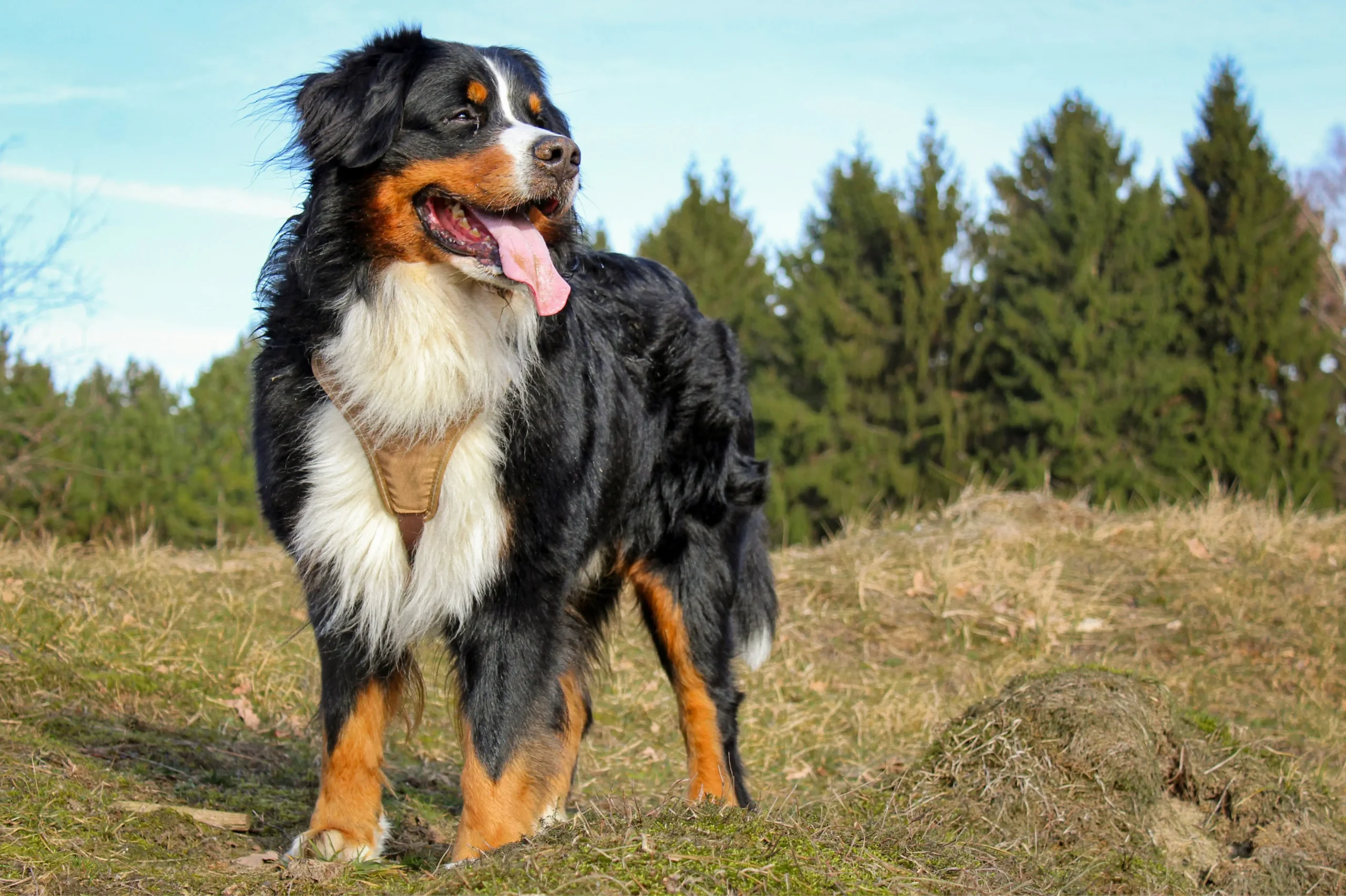
Keep your Golden Mountain Dog lean. You should be able to feel their ribs easily without pressing hard, and see a visible waist when looking down from above. If you can’t, the portions need adjusting.
Weigh food rather than guessing. Use a consistent measuring approach. And resist the pressure from the dog and from your own instinct to be generous or overfeed.
Preventative Supplementation
Beyond diet and weight, targeted supplementation supports wellness in areas where this breed is specifically vulnerable.
Joint support should begin before problems appear, not after. Glucosamine and chondroitin support cartilage integrity and joint lubrication. For a large dog, a typical daily dose sits around 1,000mg of glucosamine. Omega-3 fatty acids from fish oil reduce systemic inflammation and support joint comfort, skin, coat, and heart health simultaneously.
Probiotics maintain a balanced gut microbiome, which supports immune function; around 70% of the immune system lives in the gut. For dogs with sensitive digestion, a dog-specific probiotic formula with 1–10 billion CFUs daily makes a meaningful difference.
Antioxidants: Vitamins C and E, along with foods like blueberries, carrots, and sweet potatoes, help the body neutralize the cellular damage that contributes to disease and aging over time. For a breed with elevated cancer risk, this kind of cellular support is worth taking seriously.
One firm caution: more is never automatically better.
Fat-soluble vitamins accumulate in the body and can reach toxic levels. Excess calcium in a growing puppy causes skeletal abnormalities. Always consult your vet before adding anything to the regimen, and never use human supplements without explicit approval. Some common human ingredients, including xylitol, are toxic to dogs.
Dental and Ear Health
These are the wellness areas most commonly neglected until they become problems.
Dental disease is both painful and systemic; bacteria from infected gums can enter the bloodstream and affect the heart and kidneys over time. Brush your Golden Mountain Dog’s teeth regularly with a dog-safe toothpaste, ideally several times a week. Dental chews and water additives can supplement but don’t replace brushing.
Ears should be checked weekly and cleaned with a vet-approved solution when needed. The ear canals of dogs with drop ears are warm and less ventilated, conditions that favor yeast and bacterial growth. Catching the early signs of infection — odor, redness, head shaking, or scratching at the ear prevents a minor issue from becoming a painful chronic one.
Mental Wellness
Physical health is only part of the picture.
Golden Mountain Dogs are deeply people-oriented, sensitive, and intelligent. They need mental engagement and human connection as genuinely as they need food and exercise.
A dog that is isolated, under-stimulated, or emotionally disconnected from its family doesn’t just become difficult to live with; it becomes more susceptible to anxiety-driven behaviors and stress-related health issues.
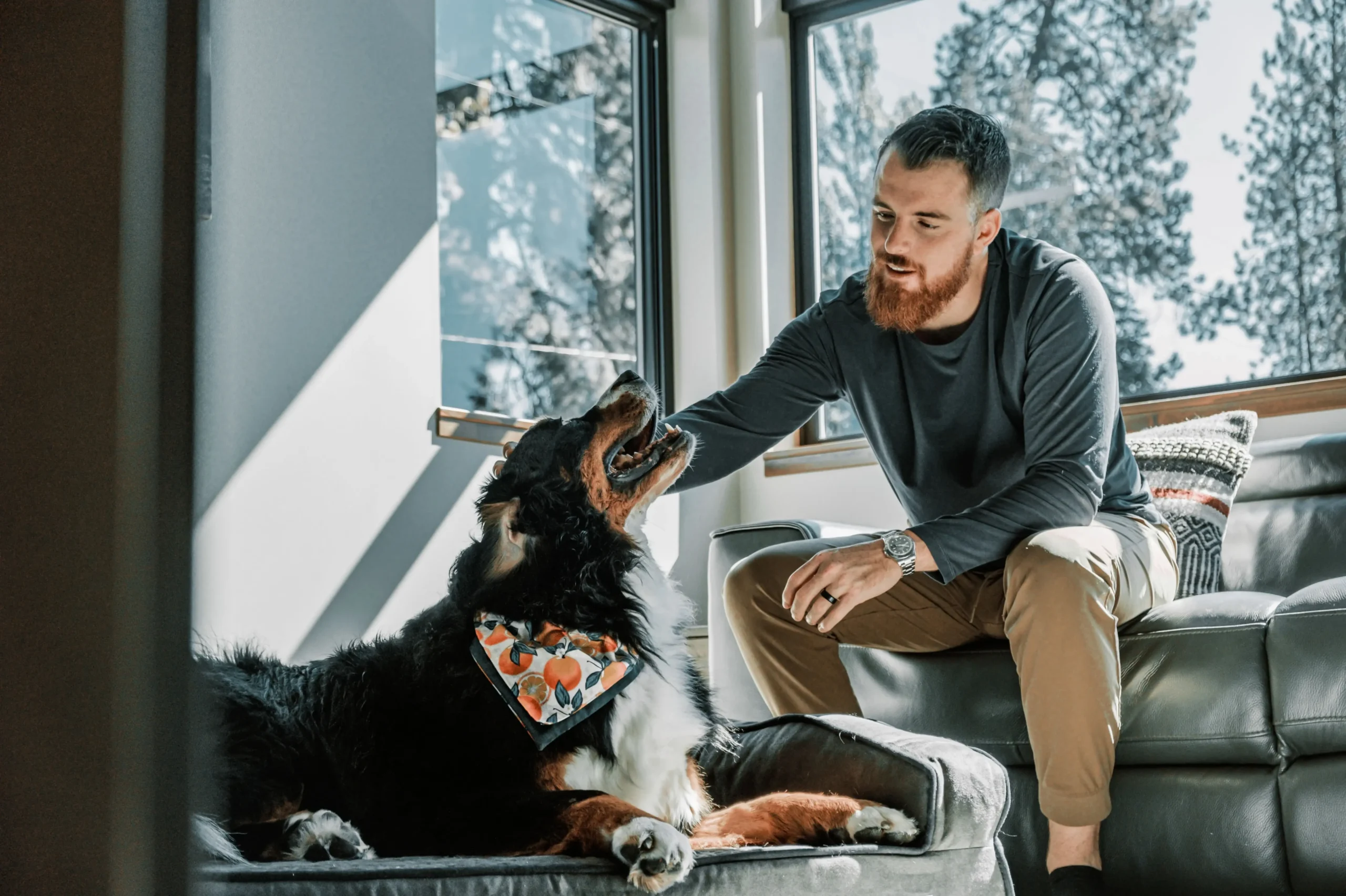
Separation anxiety is a real risk in this breed. Because their working heritage was built around constant companionship, being alone doesn’t come naturally. Building independence gradually through short, practiced alone times, low-key departures and arrivals, and consistent reward of calm, settled behavior gives the dog an emotional foundation it can rely on.
Mental enrichment through training, nose work, puzzle toys, and purposeful activity supports not just behavior but overall well-being. A dog with enough mental engagement is calmer, more resilient, and easier to keep healthy across every other dimension of care.
Wellness for a Golden Mountain Dog is not a checklist you complete.
It’s a posture you maintain, curious, attentive, and willing to act before problems announce themselves loudly.
The breed gives back with a depth of loyalty and warmth that’s hard to describe to someone who hasn’t experienced it. But they give most generously to the owners who show up for them with equal consistency.
Frequently Asked Questions
How long do Golden Mountain Dogs live?
Typically seven to ten years, driven largely by the Bernese side of their lineage. Responsible breeding, proactive health care, and keeping the dog at a lean weight are the most impactful factors an owner can control.
What health problems are Golden Mountain Dogs prone to?
Cancer, hip and elbow dysplasia, degenerative myelopathy, Progressive Retinal Atrophy, autoimmune disorders, and bleeding disorders like Von Willebrand’s disease. Both parent breeds carry elevated cancer risk.
How often should my Golden Mountain Dog see a vet?
More than just for vaccinations. Regular wellness check-ups at least annually, more frequently for seniors, are the standard for this breed. Don’t wait for something to look obviously wrong.
What are the early signs of illness to watch for?
Subtle changes are the ones that matter most: slight shifts in appetite, energy, or gait, reluctance to do things they normally enjoy, or a coat that looks duller than usual. Report anything that feels off, even if you can’t fully explain it.
Do Golden Mountain Dogs need supplements?
Joint support is the most important: glucosamine, chondroitin, and omega-3s from fish oil. Probiotics help dogs with sensitive digestion. Antioxidants support cellular health. Always consult your vet before adding anything.
How do I know if my dog is overweight?
You should be able to feel the ribs easily without pressing hard and see a visible waist from above. If you can’t, portions need to be reduced. Weighing food rather than estimating consistency matters more than most owners realize.
Are Golden Mountain Dogs prone to separation anxiety?
Yes. Their working heritage was built around constant human companionship, so being alone doesn’t come naturally. Building independence early through short alone times and low-key departures prevents it from becoming a serious problem.
How do I care for their teeth?
Brush with a dog-safe toothpaste several times a week. Dental chews and water additives help but don’t replace brushing. Dental disease is systemic; bacteria from infected gums can affect the heart and kidneys over time.
How important is choosing the right breeder for wellness?
It’s the single most important wellness decision you make. A responsible breeder screens for dysplasia, eye conditions, heart disease, and degenerative myelopathy and provides documented clearances. That foundation shapes everything that follows.
Can mental health affect a Golden Mountain Dog’s physical wellness?
Directly. Chronic stress, isolation, and under-stimulation make dogs more susceptible to anxiety-driven behaviors and stress-related health issues. Mental enrichment through training, nose work, and purposeful activity supports physical resilience as much as it supports behavior.