Golden Mountain Dog Health Care: Essential Tips for Keeping Your Dog Happy and Healthy
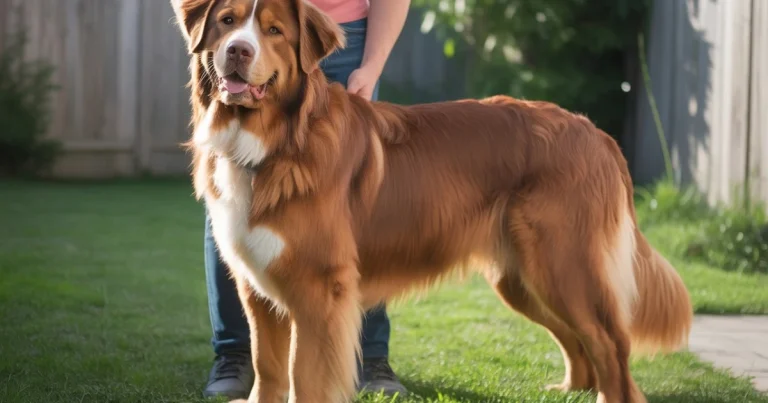
The Golden Mountain Dog is a hybrid breed known for its stunning appearance, gentle temperament, and affectionate nature. While these dogs are generally healthy, they do require proper care and attention to maintain their well-being. As a mix between the Golden Retriever and the Bernese Mountain Dog, the Golden Mountain Dog inherits traits from both parent breeds, which means it can be prone to certain health issues. However, with the right care and attention, your Golden Mountain Dog can lead a long, healthy life.
In this article, we’ll explore the essential health care tips for Golden Mountain Dogs, from regular vet visits and exercise routines to nutrition and grooming. By following these guidelines, you can help ensure your dog stays in optimal health for years to come.
Regular Vet Check-Ups: The Foundation of Good Health
The first step in maintaining your Golden Mountain Dog’s health is regular veterinary check-ups. Preventive care is essential to catch potential health problems early, so it’s important to establish a routine with your vet. Here’s what to expect during vet visits:
1. Annual Health Exams
Golden Mountain Dogs should have a vet check-up at least once a year to monitor their overall health. During these visits, the vet will assess your dog’s weight, coat condition, heart, lungs, and general behavior. This is also a great time to discuss any concerns you may have about your dog’s health or behavior.
2. Vaccinations and Preventative Care
Make sure your Golden Mountain Dog stays up-to-date on their vaccinations, including rabies, distemper, parvovirus, and others that may be recommended by your vet based on your location. Preventative treatments for fleas, ticks, and heartworms are also important, especially if your dog spends time outdoors.
If you’re traveling with your dog, make sure they have the necessary health certificates, as many places require up-to-date vaccinations and treatments before allowing pets into public areas.
3. Dental Care
Dental health is often overlooked but plays a significant role in your dog’s overall well-being. Regular check-ups should include a dental exam, and your vet may recommend professional cleanings every year to prevent dental diseases such as gingivitis and periodontal disease.
At home, you can help by brushing your dog’s teeth regularly with a toothbrush and toothpaste made for dogs. Dental chews can also help reduce plaque and tartar buildup.
Common Health Issues to Watch For
While Golden Mountain Dogs are generally healthy, they can be prone to certain hereditary health issues that affect both the Golden Retriever and the Bernese Mountain Dog. Here are some of the most common health problems to watch for:
1. Hip and Elbow Dysplasia
Hip and elbow dysplasia are common in large breed dogs and involve a malformation of the joints, which can lead to arthritis, pain, and reduced mobility. Golden Mountain Dogs are particularly at risk due to their size.
Signs to Look For:
- Difficulty standing up or lying down
- Lameness or limping, especially after exercise
- Reluctance to climb stairs or jump
Management:
- Regular low-impact exercise to maintain muscle strength
- Joint supplements (like glucosamine and chondroitin) can help support joint health
- Consult your vet for potential treatments, including pain management and surgery if necessary
2. Bloat (Gastric Dilatation-Volvulus)
Bloat, also known as gastric dilatation-volvulus (GDV), is a serious condition that affects deep-chested dogs like the Golden Mountain Dog. It occurs when the stomach fills with gas and twists, blocking blood flow and potentially leading to shock or death if not treated immediately.
Signs to Look For:
- Swollen or bloated abdomen
- Unproductive vomiting or retching
- Restlessness or discomfort
- Rapid breathing and drooling
Management:
- Immediate veterinary attention is required. GDV is a medical emergency.
- Avoid large meals and exercise right before or after feeding to reduce the risk of bloat.
3. Progressive Retinal Atrophy (PRA)
Progressive Retinal Atrophy (PRA) is an inherited condition that leads to the degeneration of the retina, eventually causing blindness. This condition is common in both the Golden Retriever and Bernese Mountain Dog, so Golden Mountain Dogs may be susceptible as well.
Signs to Look For:
- Difficulty seeing in low light or at night
- Bumping into objects or becoming disoriented
- Reluctance to go outside or explore
Management:
- Unfortunately, there is no cure for PRA, but early diagnosis can help with managing the condition. Keeping your dog in a familiar and safe environment can help them adjust to any vision changes.
- Consider consulting a veterinary ophthalmologist for specialized care.
4. Hypothyroidism
Hypothyroidism occurs when the thyroid gland does not produce enough thyroid hormone, leading to symptoms like weight gain, lethargy, and coat problems. This condition is common in many dog breeds, including the Golden Retriever.
Signs to Look For:
- Weight gain despite a normal diet
- Lethargy and lack of energy
- Hair loss or dull, dry coat
- Frequent infections or slow wound healing
Management:
- Hypothyroidism can be managed with daily medication that replaces the thyroid hormone.
- Regular blood tests will help monitor your dog’s thyroid levels to adjust medication as needed.
Maintaining a Healthy Diet
A balanced diet is crucial for your Golden Mountain Dog’s overall health. Golden Mountain Dogs are large, active dogs, so it’s important to provide them with high-quality food that supports their growth, muscle development, and joint health. Here are some dietary tips:
1. High-Quality Dog Food
Choose a high-quality commercial dog food specifically formulated for large breeds. Look for food that contains real meat (such as chicken, lamb, or fish) as the first ingredient, as well as healthy fats, fiber, and essential vitamins.
For Golden Mountain Dogs, it’s important to choose a formula with moderate fat content and a balance of proteins and carbohydrates to support their energy needs without leading to obesity.
2. Joint Supplements
Given the breed’s predisposition to hip and elbow dysplasia, it’s beneficial to supplement their diet with joint health supplements such as glucosamine and chondroitin. These supplements can help promote cartilage health and reduce the risk of arthritis as they age.
3. Portion Control
Large breed dogs like the Golden Mountain Dog are prone to obesity, which can exacerbate joint issues and affect their overall health. Be mindful of portion sizes and avoid overfeeding. Monitor your dog’s weight and adjust their food intake as needed.
4. Fresh Water
Always ensure that your dog has access to fresh water throughout the day. Dehydration can lead to kidney issues and other health problems, so it’s important to keep your dog hydrated, especially after exercise.
Exercise and Physical Health
Exercise is crucial for the health and well-being of your Golden Mountain Dog. These dogs are active and enjoy outdoor activities like hiking, walking, and playing fetch. Regular exercise helps maintain a healthy weight, improves muscle tone, and keeps their joints flexible.
1. Regular Physical Activity
Golden Mountain Dogs require 60 to 90 minutes of exercise per day. This can include daily walks, outdoor play, or hikes. Be mindful not to overexert your puppy or young dog while they are still growing, as their joints are still developing.
2. Low-Impact Exercise for Older Dogs
As Golden Mountain Dogs age, they may experience joint pain or stiffness. To keep them healthy, focus on low-impact exercises such as walking or swimming. Swimming is especially great for large dogs because it’s easy on their joints while providing a full-body workout.
3. Mental Stimulation
Mental exercise is just as important as physical activity. Golden Mountain Dogs are intelligent and require mental stimulation to stay happy. Use puzzle toys, training sessions, and problem-solving games to keep your dog engaged and avoid boredom.
Grooming for Health
Golden Mountain Dogs have a thick double coat, and regular grooming is essential for their overall health. Grooming helps prevent mats, tangles, and skin infections, and it also provides an opportunity to check for signs of health issues.
1. Brushing
Brush your Golden Mountain Dog’s coat 2-3 times a week to keep it tangle-free and shiny. During shedding seasons, you may need to brush more often. Regular brushing also helps remove loose fur, reducing the amount of hair that accumulates around your home.
2. Bathing
Bath your dog every 6-8 weeks or as needed. Use a dog-friendly shampoo to keep their coat clean and healthy. Over-bathing can strip natural oils from their skin, so only bathe your dog when necessary.
3. Ear Cleaning
Golden Mountain Dogs have floppy ears that can trap moisture and dirt, leading to infections. Clean their ears regularly to prevent buildup and keep them dry and healthy.
4. Nail Trimming
Trim your dog’s nails every 3-4 weeks to prevent overgrowth and potential discomfort. Regular nail care helps avoid injury and maintains their overall well-being.
Conclusion
A Golden Mountain Dog can be a healthy, happy companion with the right care and attention. By staying proactive with regular vet visits, maintaining a balanced diet, and providing consistent exercise, you can help your Golden Mountain Dog avoid common health problems and lead a long, active life.
Be mindful of their specific needs, from joint health and exercise to grooming and mental stimulation. By prioritizing these areas, you’ll ensure your Golden Mountain Dog stays healthy, fit, and by your side for many years to come.
Frequently Asked Questions
1. How often should I take my Golden Mountain Dog to the vet?
You should take your Golden Mountain Dog for a check-up at least once a year for a general health exam, vaccinations, and preventive care.
2. How can I prevent hip dysplasia in my Golden Mountain Dog?
While hip dysplasia is genetic, you can reduce the risk by ensuring your dog has a healthy diet, is not overfed during puppyhood, and gets regular, low-impact exercise.
3. Is it necessary to give my Golden Mountain Dog joint supplements?
Joint supplements like glucosamine and chondroitin can help support joint health, especially in large breed dogs like the Golden Mountain Dog. Consult your vet for recommendations.
4. How can I tell if my Golden Mountain Dog is overweight?
Monitor your dog’s weight and adjust food portions accordingly. If your dog has a waist and their ribs are easily felt without excess fat, they are likely at a healthy weight.
5. Can my Golden Mountain Dog develop any eye problems?
Yes, Golden Mountain Dogs can be prone to Progressive Retinal Atrophy (PRA), which can lead to blindness. Regular veterinary check-ups, including eye exams, can help catch this condition early.